
Choosing the wrong fitting material for a hydraulic circuit can be disastrous: leaks, corrosion failures, unanticipated downtime—all of that exceeds the price of a fitting many times over. Brass and stainless steel are the two fitting materials we see most often in specification sheets, and both offer good corrosion resistance along with their own distinct advantages. Whether brass or stainless steel fittings makes the most sense in a given application comes down to the operating pressure, the fluid chemistry, the ambient temperature, and the total cost, not marketing hyperbole.
This article aims to shed light on the key differences between stainless steel vs brass hydraulic fittings based on five dimensions: corrosion resistance, pressure ratings, temperature performance, price, and applicability to real-world systems. Each data point is supported by an industry-standard reference or published performance study.
Stainless Steel and Brass Fittings at a Glance
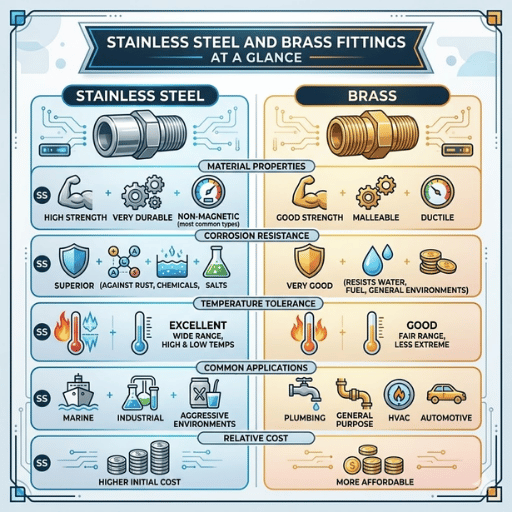
Looking first at the specifications, we note that brass is an alloy primarily composed of copper and zinc—valued for its malleability, machinability, and reasonable strength in plumbing systems, gas lines, and garden hoses. Stainless steel is an iron-based alloy enhanced with chromium and nickel for superior performance in high-pressure hydraulic applications. Despite their common usage, each seller’s specification sheet reveals significant variations in the metallurgy of these two fitting materials, which directly influence their respective pressure and temperature characteristics.
| Property | Brass (C36000 / C26000) | Stainless Steel (304 / 316) |
|---|---|---|
| Composition | Cu 60-70%, Zn 20-35%, Pb 0-3% | Fe + Cr 16-20%, Ni 8-14%, Mo 2-3% (316) |
| Tensile Strength | 50,000-58,000 PSI | 75,000-85,000 PSI |
| Max Working Pressure (typical) | Up to 3,000 PSI | Up to 10,000-20,000 PSI |
| Max Temperature | 400 °F (204 °C) | 1,500 °F (816 °C) |
| Corrosion Resistance | Good in mild environments; vulnerable to dezincification | Excellent across acids, saltwater, and chemicals |
| Machinability | Rating 100 (benchmark alloy) | Rating ~45-50 |
| Typical Unit Price (2025) | $2.50-$4.00 | $5.50-$12.00 |
| Key Standard | ASME B16.15, ASTM B16 | ASTM A403, ASTM A182, SAE J514 |
What becomes evident from the specifications is the diverging pressure and temperature operating ranges of each alloy: A brass fitting might be adequate for general hydraulic circuits, but stainless steel fittings will excel in corrosive conditions where the pressure exceeds 3,000 PSI. Brass fittings are typically used in low-to-medium pressure systems, while stainless steel is the choice for high-pressure systems that demand optimal performance and longevity.
Corrosion Resistance and Chemical Compatibility
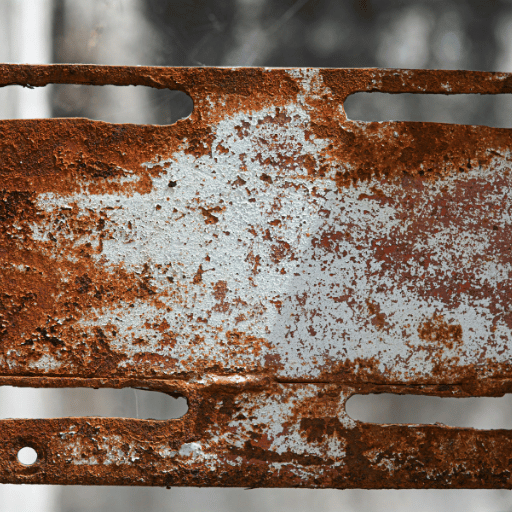
Corrosion is the primary factor in unplanned fitting failure. High corrosion resistance in stainless steels makes them more suitable for use as, say, hydraulic fittings compared to those of plain copper. By including 2-3% of molybdenum, Grade 316 stainless steel significantly boosts the passive repassivation of this chrome-rich alloy in chloride-rich solutions. However, stainless steels contain less zinc which may cause degradation in other applications.
In otherwise-optimal conditions such as hydraulic oil circuits or low-chloride water systems, brass does in fact provide good corrosion resistance. However, the down side to brass is that it is susceptible to a process called dezincification: a peer-reviewed article published on ResearchGate reports that dezincification dissolves out the zinc from brass alloy, leaving a copper matrix that is porous and weak, and susceptible to failure—even if the hydraulic pressure has not experienced any apparent change.
| Environment | Brass | Stainless Steel (316) |
|---|---|---|
| Clean hydraulic oil | Good | Excellent |
| Saltwater / marine | Poor (dezincification risk) | Excellent (Mo resists chlorides) |
| Acidic chemicals | Poor | Good to Excellent |
| Outdoor / humid air | Fair (tarnishes but holds) | Excellent |
| Water-glycol fluids | Fair (zinc reacts with glycol at temp) | Excellent |
⚠️ Important Combining brass and stainless steel fittings in a mixed-metal hydraulic circuit launches an unintended galvanic couple that often causes leaks after 18 to 24 months according to field tests compiled by AniSteel’s galvanic corrosion analysis. If brass and stainless steel fittings must be used together, leave a dielectric union or PTFE isolation sleeve between the two metallics.
In marine environments, offshore hydraulic systems, high-chloride chemicals, or humid indoor conditions, stainless steel provides superior corrosion resistance that justifies the expense. For an indoor hydraulic circuit in a dry environment running clean oil, brass will yield reliable service for years without rust and corrosion issues. It comes down to whether or not the hydraulic system needs to be shielded from moisture and corrosion beyond what copper-based brass can provide.
Ikin Fluid manufactures test point couplings designed for demanding hydraulic circuits where leak-free connections and corrosion-resistant materials are critical to system uptime.
Pressure Ratings and Tensile Strength
High-pressure hydraulic systems can generate forces more than an order of magnitude above what average plumbing brass can handle. Every fitting must transition smoothly from its normal operating pressure to the temporary surges caused by valve shifts, load reversals, and abrupt fluctuations—stainless steel hydraulic fittings provide an extra margin of safety to handle extreme pressure over the more common brass variety. Though stainless steel costs more, it is the choice for high-pressure applications where brass may not hold up.
| Specification | Brass Fittings | Stainless Steel Fittings |
|---|---|---|
| Ultimate Tensile Strength | 50,000-58,000 PSI | 75,000-85,000 PSI |
| Typical Working Pressure | 200-3,000 PSI | 3,000-10,000 PSI |
| High-Pressure Rated | Up to 3,000 PSI (SAE 45° flare) | Up to 20,000 PSI (special designs) |
| Design Safety Factor | 4:1 | 4:1 |
| Key Pressure Standard | ASME B16.15 | ASTM A182, SAE J514 |
From the pressure rating data published in Swagelok’s tubing data reference (PDF), 316 stainless steel OD 1/4-inch piping is rated for a 4:1 safety factor at maximum operating pressure of 4,500 PSI, at ambient temperatures. For 316 stainless steel material, permissible stress is given as 20,000 PSI (at -20 F to 100 F temperature), based on ultimate tensile strength of 75,000 PSI (per Engineering Toolbox’s stainless steel pipe pressure reference).
Comparing pipe pressure rating tables published in ASME B16.15, brass fittings are rated for 400 PSI at 150 F for a Class 250f material; this 37% range spans from 400 PSI at standing temperatures to approximately 250 PSI at operating temperatures in the 400 F range. Although there are a few SAE 45 flare fittings that reach pressures of 3000 PSI, these are fabricated specifically for their job and not regularly available for General Use.
After 300 F it is rare to find a brass hydraulic machine-build that will go past 3000 PSI, so stainless steel fittings are the only option meeting the usual max pressure requirements of a hydraulic system. For lower pressure pneumatic circuits, or low-pressure brass oil circuits, the best option for high-flow-rate test point couplings utilized in high-pressure monitoring is a material rated for the maximum projected pressure of the application, with all other factors equal. 💡 Pro Tip Related to the previous point, always choose the fittings that can handle the maximum load surges possible, not the loaded pressure. Steady state pressure is commonly nowhere near the surges propagating through the system, which can easily be 2-3 times nominal.
Temperature Performance and Longevity
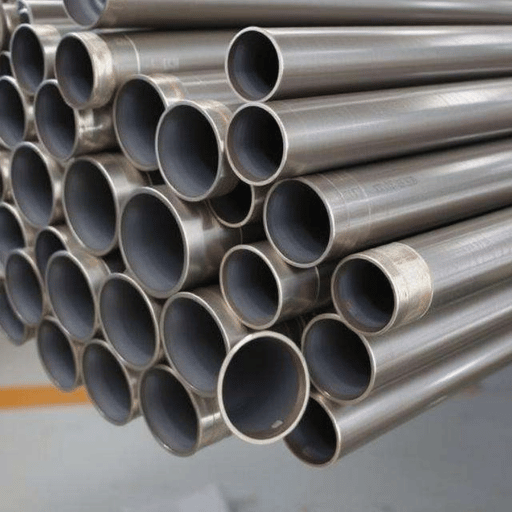
Operating temperature heavily influences both the pressure rating and the life cycle of any hydraulic fitting. As brass starts to soften at 300 F (149 C), its capacity drops while aging accelerates. Meanwhile, the structural integrity of 304 and 316 grades remains consistent at much higher operating temperatures; stainless steel is the default material of choice for fittings in high-temperature hydraulic and steam systems.
| Temperature Metric | Brass | Stainless Steel |
|---|---|---|
| Continuous Service Limit | 302 °F (150 °C) | 1,500 °F (816 °C) |
| Absolute Maximum | 400 °F (204 °C) | 1,600 °F (871 °C) for 304 |
| Minimum Service Temperature | -65 °F (-54 °C) | -325 °F (-198 °C) |
| Estimated Service Life | 10-15 years (mild conditions) | 20-30+ years |
Based on criteria published in Merit Brass’s published pressure-temperature tables (ASME B16.15), a Class 250 brass fittings is rated for 400 PSI at 70 F, and 250 PSI at 660 F – a 37% reduction. By comparable standards, 316 stainless steel fittings meet ASTM A182 standards and retain maximum rated pressure above 500 F. ⚠️ Common Mistake For high-temperature hydraulic return lines, the use of a standard brass fitting is frequently recommended. Since heavy machinery operates on the road at high temperatures, it is not uncommon for the oil returning from a hydraulic system to reach 200 F (93 C) during extended operational periods. While brass at this temperature does not cause immediate failure, the repeated thermal cycling accelerates dezincification and weakens the fitting over time. If the return line exceeds 180 F, go with stainless steel or carbon steel fittings instead.
Longevity is not solely contingent on temperature. Vibration, pressure cycling, and fluid cleanliness all have a bearing on fitting fatigue. Stainless steel fittings offer higher strength and a surface harder than brass, making them less prone to vibration induced loosening and threadwear—resulting in fewer unplanned stops and fewer monthly replacements even under challenging conditions.
Cost Comparison: Initial Price vs Total Cost of Ownership
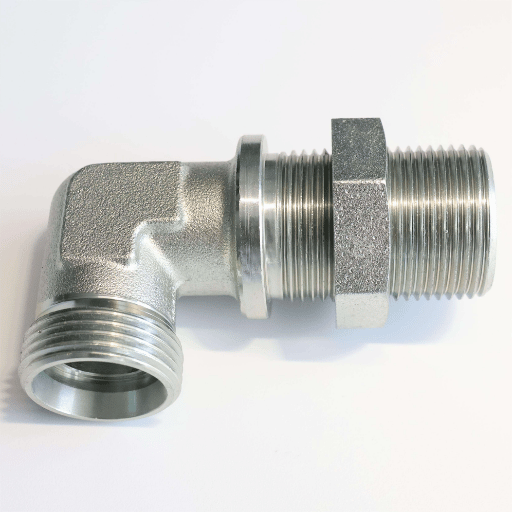
On a per-piece basis, brass hydraulic fittings cost less than stainless steel fittings and this is real. However, cost considerations go beyond the purchase price. Replacement labor, system haulout, and corrosion induced failures can swing the total ownership cost, especially in environments with chemicals and high humidity levels. Stainless steel—which is significantly harder than brass—is the choice for applications involving corrosive fluids, while brass remains viable when properly matched to mild environments.
| Cost Factor | Brass Fittings | Stainless Steel Fittings |
|---|---|---|
| Unit Price (2025) | $2.50-$4.00 | $5.50-$12.00 |
| Price Premium | Baseline | 2-3x higher |
| Expected Replacements (10 yr) | 1-2 replacements | 0 (outlasts most systems) |
| Downtime Cost per Incident | $200-$2,000+ (varies by industry) | Rarely incurred |
| 5-Year TCO (per 100 fittings) | $400-$900 | $550-$1,200 |
Pricing data from a 2025 hydraulic fitting price survey by Jiayuan Hydraulics affirms the per-piece spread: brass begins around $2.50-$4.00 while stainless steel can cost from $5.50 to $12.00 based on fitting style and pressure class. 500+ piece carton quantities could reduce these prices 10-20 percent. 💡 Pro Tip Do not base your fitting material choice on a cost analysis. From our experience with hydraulic system integrators, a single unplanned fitting change out on a mobile crane or production line can cost $500-$2,000 in labor, hauling, and hydraulic fluid expense. The total cost of ownership of brass versus stainless steel fittings across 5 years converges when the system works in a corrosive or high-temperature environment. Brass provides real savings in paved, clean-oil environments where corrosion does not exist.
For applications where cost is the primary concern and the environment is not aggressive, brass provides a compelling package with real cost-effectiveness. The initial cost of stainless steel fittings is higher, but they make economic sense when a single failure—including downtime and fluid contamination—costs more than the price difference of the spare parts inventory. Material choice comes down to balancing upfront expense against long-term reliability.
Which Fitting Material Should You Choose?
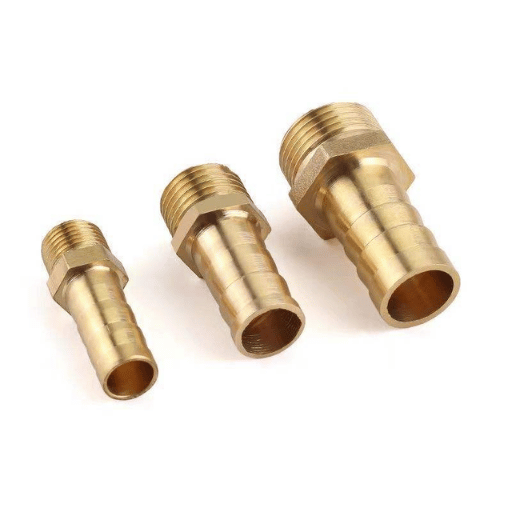
Choosing between brass and stainless steel for your hydraulic applications comes down to the operating environment. Neither material is universally “the best.” Which one is right for your project? An organized decision process helps you choose the right fitting—avoiding stainless where not needed and reducing the risk of failure by not over-specifying when brass is sufficient. Like stainless steel, certain brass alloys can handle extreme pressure in specific applications, so the material you choose should match the demands of the system.Material Selection Checklist
- System pressure exceeds 3,000 PSI? → Stainless steel
- Fluid temperatures not spiking higher than 180 F (82 C)? → Stainless steel or carbon steel
- Possible contact with saltwater, acids, or corrosive chemicals? 316 stainless steel
- Clean mineral oil, indoor, moderate pressure? → Brass (cost-effective)
- Pneumatic or low-pressure fluid lines? → Brass (high machinability, less expensive)
- Processing food, drinks, or drugs? 316 stainless steel (meets FDA/sanitary guidelines)
- Applying in a mixed-metal system with existing stainless parts? → Stainless steel (avoidance of galvanic corrosion)
| Application | Recommended Material | Why |
|---|---|---|
| Mobile hydraulics (excavators, cranes) | Stainless Steel or Carbon Steel | Outdoor exposure, vibration, high pressure |
| Marine hydraulic systems | 316 Stainless Steel | Using stainless steel with Mo grade resists saltwater corrosion; brass fittings are often used in less corrosive marine circuits but 316 SS is the choice for applications involving chemicals and high chloride exposure |
| Indoor press / injection molding | Brass or Carbon Steel | Controlled environment, moderate pressure |
| Pneumatic control lines | Brass | Low pressure, easy machining, cost considerations favor brass |
| Chemical processing | 316 Stainless Steel | Acid, alkali, and solvent compatibility |
| Hydraulic test points / diagnostic ports | Stainless Steel | Frequent connect/disconnect, durability |
When it comes time for you to gain diagnostic access to a high-pressure hydraulic system, inquire about our test point coupling range designed for multiple connection cycles and seal integrity in the toughest application conditions.
“From our 15-year history of providing hydraulic test points and fittings to the Parker, Eaton, and Bucher organizations, our engineers have determined that material decision making accounts for at least 30% of the dead-on-arrival fittings we’ve returned. The most common pitfall is using standard brass fittings outdoors on mobile equipment where stainless steel or even carbon steel would be more appropriate.”
— Ikin Fluid Engineering Team
Frequently Asked Questions
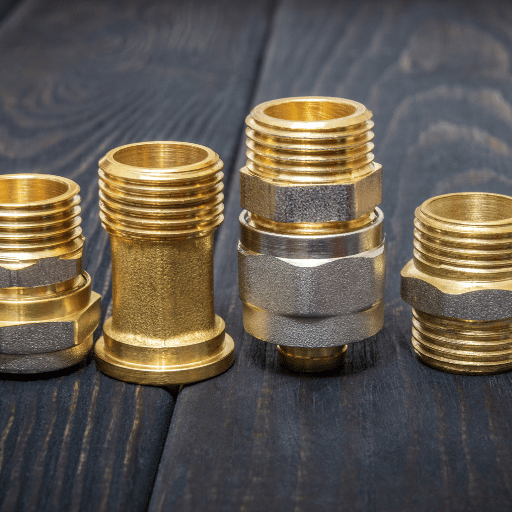
Q: Are brass fittings better than stainless steel?
View Answer It depends on the application. For clean oil circuits at lower temperature, brass fittings are often used because they are the most economical and machinable choice for applications where corrosion is not a factor. For high-pressure lines, corrosive conditions, or marine applications, using stainless steel wins on more reliable performance and longevity.
Q: What is the best material for hydraulic fittings?
View Answer Carbon steel is the common choice for general-purpose hydraulic fittings, thanks to its strength and economy. Stainless steel (304 or 316) is best for corrosive conditions, marine use, and food-grade systems. Brass is best for lower pressure circuits, pneumatics, and cost-conscious applications. One size doesn’t fit all: system pressure, fluid type, temperature, and environment all demand different specs. Use the right material for the right application.
Q: Are brass fittings ok for hydraulic lines?
View Answer Almost always, but not always. Most brass hydraulic fittings can operate at pressures up to 3,000 PSI and temperatures down to 200 F (93 C) without problems, and they are commonly found on return lines, pilot circuits, and indicator ports carrying clean mineral oil. The limitations come when you need pressures above 3,000 PSI, when outdoor mobile equipment is exposed to rain and road salt, or when you are circulating water-glycol fluid at elevated temperatures. In those applications, stainless steel or carbon steel are the safer alternatives. A good rule of thumb: If the line stays at or below 3,000 PSI and handles clean oil, brass is fine.
Q: When should you not use brass fittings?
View Answer When to skip brass: If the system operates over 3,000 PSI, runs in high-salt or acidic water, or is installed outdoors, near salt water. Also, don’t use brass if the rest of the system employs stainless steel, or the brass-to-stainless steel galvanic cell may lead to accelerated corrosion.
Q: Can you mix brass and stainless steel fittings in a hydraulic system?
View Answer Impossible to weld because of the two metals’ different co-efficient of expansion, which could lead to cracking in the presence of heat. Additionally, the brass fitting may suffer from accelerated corrosion due to galvanic corrosion in contact with brass and stainless in the presence of an electrolyte. If connection are necessary, use a dielectric union, PTFE tape, or transition fitting.
Q: How does the cost of brass compare to stainless steel in hydraulic systems?
View Answer Brass fittings cost between $2.50-$4.00 each, compared to as much as $5.50-$12.00 for stainless steel fittings (2025 pricing). Although the initial outlay is 2-3 times higher, stainless steel’s significantly increased wear life (20-30+ years versus 10-15 years for brass), and failure rate can give comparable and sometimes lower total life costs in corrosive or demanding applications.
Need Hydraulic Fittings That Perform Under Pressure?
Ikin Fluid supplies hydraulic test points, pressure gauge accessories, and microbore hose fittings to over 3000 OEM customers including, Sany Crane, Parker and Eaton. SGS approved. 3-year warranty. 100% leakage inspection before shipment. Explore Our Test Point Couplings →
About This Guide
This comparison was compiled by the Ikin Fluid engineering team, with over 15 years spent designing and manufacturing hydraulic test points and fittings in both brass and stainless steel. The preference and cost data quoted in this article is representative of published ASTM, ASME and SAE standards and 2025 price surveys within the industry. It is intended to help you make the right choice for your hydraulic system—choosing the right material whether you are building a new system or contemplating an upgrade. Each material has its strengths and limitations, and the right choice depends on your specific applications and operating conditions.
References & Sources
- ASTM A182/A182M-21: Standard Specification for Forged Stainless Steel Pipe Flanges, Fittings, and Valves — ASTM International
- ASTM A403/A403M-22: Standard Specification for Wrought Austenitic Stainless Steel Piping Fittings — ASTM International
- Swagelok Tubing Data: Pipe, Weld, VCR, VCO Fittings — Swagelok Company
- Stainless Steel Pipes – Allowable Pressure vs. Schedule and Size — Engineering Toolbox
- Review of Brass Dezincification Corrosion in Potable Water Systems — ResearchGate (Peer-Reviewed)
- Galvanic Corrosion Stainless Steel and Brass: Leaks, Losses, and Lessons — AniSteel
- C36000 Alloy Data Sheet — Copper Development Association
- Brass Fitting Pressure-Temperature Ratings (ASME B16.15) — Merit Brass