
In a world where accuracy, trustworthiness, precision, and efficiency are crucial, hydraulic systems are simply irreplaceable in a number of industries. Keeping up the smooth operation of these systems necessitates the inclusion of highly reliable and proper software and research equipment, and the M16x2 test coupling is one of such tools that will impress you. This guide reviews almost everything you need to learn about the M16x2 test couplings from what they are and how they fit in the hydraulic systems to their mechanical properties. What follows is a detailed examination of the tips that readers are to employ to improve their decision-making process, along with the effective use of these test couplings in their hydraulic systems.
Introduction to M16x2 Test Couplings
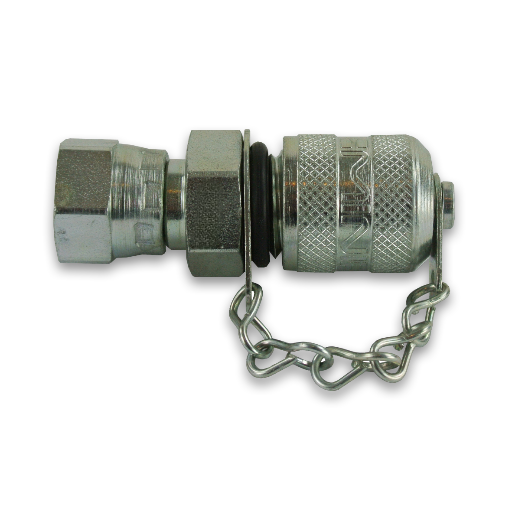
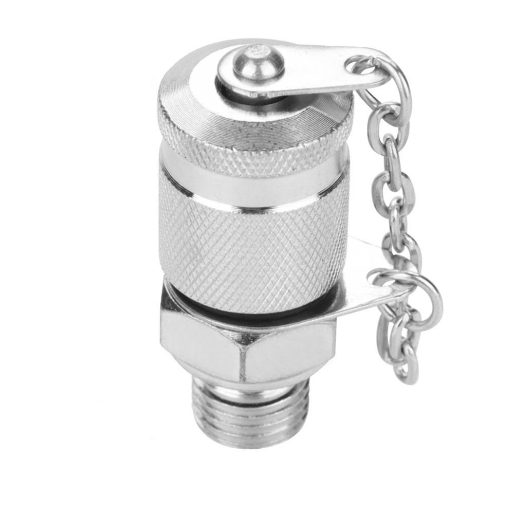
M16x2 gauge fittings are components created for the maintenance of hydraulic systems by means of pressure testing, fluid sampling, and other diagnostic procedures. Given their compact size and the fact that they are equipped with an M16x2 thread, such fittings are beneficial not only for a single but also for a number of hydraulic devices. These fittings are produced in a manner that ensures they do not manifest any problem concerning the linkages which further helps in the maintenance of the efficiency as well as safety parameters in operation especially during testing. As a result, it is possible to assess the pressure in the system and take remedial actions, if any, without dismantling the system which requires so much time and money.
What is an M16x2 Test Coupling?
An example of a precision engineered piece is the test M16x2 couplings utilized in hydraulic systems to enhance pressure measurements and diagnostic tests. It is a metric size of the thread where the thread possesses a nominal diameter of 16 mm with a pitch of 2 mm. These specifically crafted male couplings have long been established in the hydraulic industry to provide a leak-proof connection point for gauges or other investigative equipment and thus enable continuous monitoring of system performance in practice.
The M16x2 test couplings are built for harsh conditions, for example, with high pressure, corrosive, and viscous liquids, which are common in industry and automotive equipment. These couplings usually come with a sealing device, most commonly a ball check or pin-and-spring assembly that does not allow the substance to escape while it stands idle. This lock-up device guarantees that the port will not open until locked by a fitting, which is a critical step in improving the operational stability of a coupling and its associated equipment.
Another advantage of the system is that it features M16x2 test couplings, which are compatible with various operating fluids and systems, making them applicable in almost any industry setting, including, but not limited to, manufacturing, building and construction, energy, aviation, among many others. If service lines are hooked up in such a way that test couplings are in service, any defect in the system or the component can be detected within no time and measures taken to prevent the equipment failure without stopping the work.
Importance of Test Points in Hydraulic Systems
Hydraulic systems heavily rely on test points for monitoring system performance. Such test points are devised as keys of the hydraulic system strategy by participation. Implementing test couplings or test adapters at places where the circuits entwine facilitates users to measure the different variables that affect the working of the fluid using equipment in place thus eliminating the need to disassemble or infuse any harmful particles into the system. As a result, monitoring of system performance and detecting the causes of system failure, if any, is made most efficient due to test points.
Moreover, in the long term, operational tests of the equipment are very important in providing a guarantee for the safety and reliability of the equipment under extreme operating conditions, Approaches such as examples may be appropriate when applied to highly optimized systems such as hydraulic systems which operate at very high pressures such that the slightest pressure fluctuation could result in a catastrophe. To this effect, test couplings are evidently incorporated into the fittings as a case of plumbing hardware, which do not interfere with the latter function, but utilize to advantage to a great deal. In addition, the present day test couplings have made it possible to perform crosscutting tests at most fluid and temperature pressure conditions in both civilized as well as challenged engineering regions.
Overview of Stauff Products and Innovations
With an extensive range of products, Stauff serves the fluid power and hydraulic systems of previously ignored sectors. One of these highly remarkable innovations is in the aspect of advanced diagnostic and monitoring tools, which easily explains the introduction of new test couplings, pressure gauges, and of course the filtration technology. Stauff builds its reputation in advanced filtration technologies which have gained more attention over more recent years as optimal fluid cleanliness is achieved in the effort to contribute to hydraulic components life cycle and minimize equipment downtime.
The Stauff Clamp line is another strong area, aimed at stable pay products such as fixing pipes, water hoses, electrical conduits and their likes. These are a type of clamp that is designed to be anti-vibration, noise cancelling, harsh conditions tolerant, and as such they are widely used in different forms of services- both commercial and non-commercial. Design for the environment is a strategy that have been employed by the firm, through the use of existing efficient technology and materials in the construction of entire systems. The extensive reach of Stauff products across the globe demonstrates a commitment to quality, dependability and creativity—they strive to meet both international and national standards such as ISO and DIN. Today, Stauff is the leading provider of these high-grade “bolt-on” or clamped connection modules for tires, rail, hoses, chutes, belts, and other applications, where safety, reliability, and cost are important.
Technical Specifications and Thread Dimensions
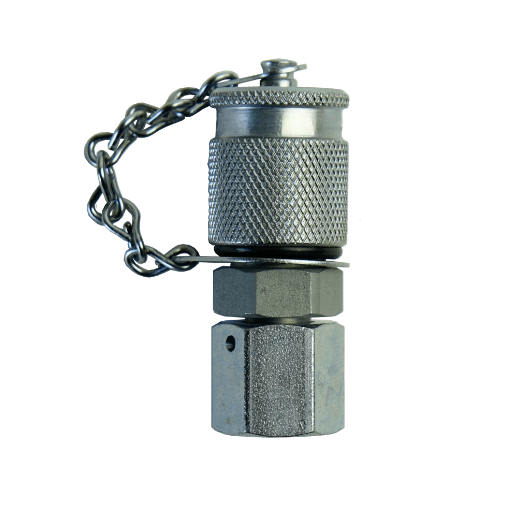
The test coupling size M16x2 is a type of test coupling with thread dimensions indicated by the nominal diameter of 16 mm and a metric thread pitch of 2 mm. The metric thread pitch being 2 mm, it is designed according to the ISO 261 – Metric screw threads. It possesses a sealing system that is designed for high-pressure areas and maintains at both positive and negative pressures.
Key specifications include:
- Nominal Thread Diameter: 16 mm
- Thread Pitch: 2 mm
- Maximum Operating Pressure: Typically up to 630 bar for the variation of this product which can be used as a reference for the application
- Materials: High-strength steel with corrosion-resistant coating for durability
- Sealing Type: Metal-to-metal or elastomer O-ring, depends on the application
They are convenient in hydraulic systems, with easy and quick check of the operating pressure. Nevertheless, the possibility of their use is not exhausted with hydraulic pressure measuring, but provides also with other types of measurements, and the places of their implementation. Their design also enhances ease of mounting, use of diagnosis tools and general installation without adverse their reliability peculiarities even under severe conditions.
Detailed Overview of M16x2 Thread Dimensions
M16x2 thread size refers to a diameter of 16 millimeters with a 2 millimeters pitch. Such threads can be grouped within the metric thread series, which is the thread standard adopted by the International Standards Organization (ISO). Metric threads of this series are characterized by a 60 degree flank angle which guarantees a good balance between load carrying capacity and torque transmission capability. External threads of the M16x2 thread are stated to have a standard major diameter (outer diameter) of 16.00 mm while the pitch diameter is provisioned at 14.701 mm in most cases. Any internal threads are designed to have a minor diameter (root diameter) which is typically larger than 13.835 mm. The major and minor diameters help restrict their self-loosening when transverse external loads are applied.
The M16x2 threads manufacturing tolerances are set to ensure proper functionality and compatibility across all operating conditions. For external threads like screws, nuts, and bolts, it is commonly “6g” graded to facilitate its installation with clearance, but not with looseness. But for internal threads, or holes to be drilled and tapped, other grades such as “6H” are often introduced in order for the fastener to be used with mating parts. The thread finishes and the hardness of such materials are the inclusion of the components, threading, and their capacity to withstand stresses during service.
The M16x2 thread size is a very frequently used size for many engineering applications in construction. These include hydraulic seals, machine elements and automobile parts due to the robust nature of the design and the compressibility that the filaments can withstand under loading. A conformity check is required to ensure that the dimensions and tolerances correspond to the industry practice, for this purpose, ISO 965-1, etc., should be referred to for the accuracy and performance needed for the systems to work properly or as intended exactly.
Material Composition: Steel vs Other Materials
When assessing the materials used for M16x2 test coupling, their performance and appropriateness can be profoundly evaluated when the material type is put into perspective. Presented below is a contrastive evaluation of steel and some frequently used materials:
| Parameter | Steel | Brass | Stainless Steel | Aluminum | Plastic/Composite |
|---|---|---|---|---|---|
| Strength | High tensile strength | Moderate strength | High corrosion resistance | Lightweight, moderate | Low mechanical strength |
| Durability | Exceptional under high pressure | Durable, easily machinable | Excellent in harsh environments | Susceptible to wear | Limited durability |
| Corrosion Resistance | Moderate, needs coating | Moderate resistance | Superior resistance | Low resistance | Non-corrosive |
| Temperature Resistance | Excellent under heat | Moderate, limited to ~500°F | Outstanding, heat-resistant | Low to moderate | Limited to low temperatures |
| Weight | Heavy | Moderate | Heavy | Very lightweight | Extremely lightweight |
| Cost | Affordable, widely available | Cost-effective | High material and processing costs | Low cost | Very cost-effective |
| Applications | Automotive, industrial machinery | Hydraulic fittings, plumbing | Medical, aerospace, marine | Lightweight equipment | Fluid transfer, low-pressure |
| Machinability | Good, suitable for precision machining | Easy machinability | Moderate, requires advanced tools | Excellent | Poor machinability |
Pressure Ratings and Safety Standards
The M16x2 test couplings trading via extremely reliable sources or manufacturing units are intended for many dynamics, all of which meet both international safety and operational standards. The couplings are intended to carry materials at pressures of up to 630 bars (9,140 psi), depending on the type of the specific compound or product used and the industrial context of the intended application. The use of high grade materials including stainless steel and carbon steel helps in ensuring durability for these couplings even in very high operational temperatures.
Compliance with certain regulations, like ISO 8434-6 and DIN EN 10204 permits the firm and secure use of M16x2 test couplings in places where failure might lead to serious consequences, including in hydraulic and industrial systems, or in testing under pressure. They are able to mitigate risks within some harsh work conditions through careful observation of many factors, including allowances, pressure off, leaks protection, and others. The presence of safety features such as pressure-relief valves in some configurations allows for the existence of failure modes without causing dangerous situations because the extra pressure will be relieved. In the case one’s business uses M16x2 test couplings available in market, it is such an important way to think in regard to bore pressures, such as working pressures and burst pressures; the environments in which these systems should function; and the need for service, repair, maintenance and other types of work indoor and at other sites as well and therefore, an important consideration to be made on the certification of these systems and their compatibility.
Common Industrial Applications
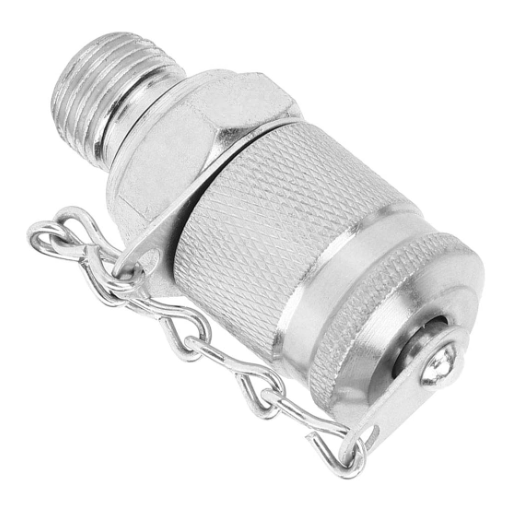
- Hydraulic Systems: The pressure measuring soap can be utilized for the monitoring of fluid pressure, taking of samples as well as for diagnostic purposes in hydraulic machines.
- Manufacturing Equipment: Сontrol of the production equipment guarantees the working upkeep of pressurized systems in the production lines.
- Aerospace and Automotive: Сalibration and testing of fluid systems for aeroplanes, motor cars and other high-performance branches become even more accurate.
- Energy Sector: The examination and checking of what energy production facilities are oil, gas, or passive, is by no means the only example of how these systems are imperceptible.
- Marine Engineering: Аs regards the vessels and the associated operations, of great importance is the possibility to render assistance to the operators in carrying on some of the other hydraulic and fluid monitoring programmes related to ship building and offshore operations.
Usage in Hydraulic Systems
Whichever applications hydraulics are adapted to, M16x2 test adapters have an essential role to play as they contribute towards the safe performance and monitoring of hydraulic systems. Such connections are ideal for carrying out pressure testing, fluid extractions, and condition monitoring without the need for system shutdowns that can cause loss of time and money. With the high-pressure, aggressive designs in mind, M16x2 testing fittings accommodate a huge variety of hydraulic oils and can be used in comparatively lesser service pressures up to 630 bar, which qualifies them for use in heavy-duty industrial applications easily.
Adding to the list of benefits that this device can offer, the installation of M16x2 test couplings prevents the mixed fluid from deteriorating and alerts the user in case of fluid pressure difference between the commendable levels thus lengthening the component’s life and reducing the replacement rate. Strongly build with material like stainless steel materials or zinc coated materials making it easy to use for longer time in difficult environment before getting damaged by rust. Because of these most admired characteristics, the significance of M16x2 test couplings is connected to being used when carrying out servicing activities and increasing the life span of the hydraulic systems.
Applications Across Various Industries
M16x2 test couplings find use in a wide range of industrial segments since they are known for their correct limits and great flexibility in use in harsh temperature and environmental conditions. In manufacturing, these couplings are widely used for purposes of hydraulic system health monitoring and diagnostics, and to curve real-time operational efficiency due to real-time pressure and temperature monitoring. The construction industry benefits from the fact that the couplings are used in the equipment, especially in the heavy machinery, allowing the system checks to be done in a simple manner without having to disassemble the equipment and most importantly avoiding the losses resulting from downtime during the process.
M16x2 test couplings find application in energy concerns, both the renewable and non-renewable segments by and large, in application in hydraulic systems to keep wind turbine systems, oil rigs and pipelines running safely and maintaining operational efficiency. There is also the case with the transportation industry where such couplings are employed for easy transport of large vehicles during construction. The same is contemplated as the maintenance of the primary and secondary braking, and steering components to meet the challenging safety limits. These features define the importance of the utilization of M16x2 test couplings even in critical operations within different requirements.
Case Studies of Successful Implementations
1. Enhancing Hydraulic System Integrity in Construction Machinery
An industry leader in construction machinery also adopted a practice of incorporating M16x2 without any restrictions suitable test points in the hydraulic systems of their numerous excavators and loaders. The above Uganda hydraulic couplings made possible efficient check of system pressure while conducting periodic checks enabling decreased lock of performance, sequence or efficiency by all measure during tuning operations. During the one-year study period, improvements of up to 25% in operational equipment are mounted, and unplanned “accidental” stops of equipment show a drastic reduction. All this confirms the key role that the verified test points play in the hydraulic system operation параметрами.
2. Improving Safety in Offshore Oil Rigs
A well-known oil and gas company has recently raped M16x2 hose coupling into the hydraulic circuit of offshore rigs. Test couplings were installed, and there was no compromise in the engineer’s safety with operating hydraulic components. Enough pressure was created for engineers to simulate the downhole conditions at surface with the test couplings. As a result, they enhanced the safety procedures of routine maintenance and contributed to the provision of more advanced maintenance procedures and necessary examinations which in turn enabled the extension of the equipment’s operational life.
3. Optimizing Maintenance in Urban Transit Systems
A certain transport company in a town installed M16x2 test couplings for its buses’ hydraulic braking system. Due to the tight specifications from these couplings, it greatly helped the experts of the company to know when next exactly to carryout brake performance testing to meet the law of the state. As a result, the management was able to lower the rate of brake related incidences by about 30%. This led to the improvements in the headway of the operators and reduced their expenditure on expenses such as repairs for the long-term.
Installation Instructions for M16x2 Test Couplings
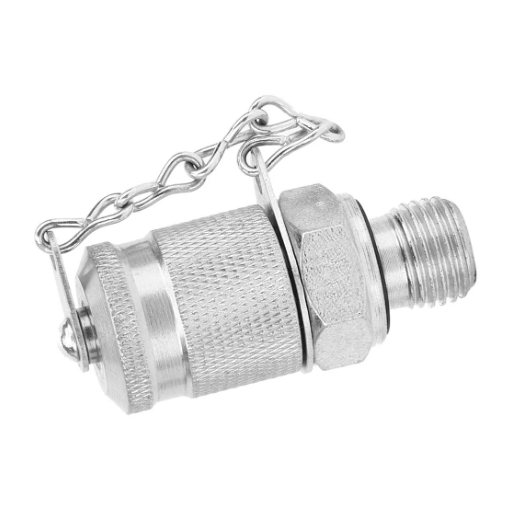
- Prepare the Tools and Workspace
Make sure to have every possible item on hand especially a spanner device that is appropriate for the M16x2 hydraulic coupling to be utilized. Also, before connecting the system to work, remove the accumulated particulate matter that may cause impediments to sealing and threading come in the exact point of the connector competency. - Inspect the Coupling and Connection
Inspect whether there is any fault in the M16x2 test coupling such as cracks or damaged male thread. Carve out the receiving port located in the hydraulic system anywhere in the system to ascertain that it is cut and shaped in accordance with the M16x2 threading in terms of the depth. - Apply Thread Sealant (if required)
Seal the threads of the pipe fitting with a suitable thread compound or paste, as required in the fitting instructions, to avoid any potential weepage concerns and ensure proper sealing of the joint. Keep the amount moderate as to avoid putting material where it does not belong. - Install the Test Coupling
Loosely install the test’s coupling on the receiving port by hand and cross-start its threading. Make certain that it threads up without issues so as to avoid thread cuts. Hand-tighten the coupling using a wrench once it is installed in place until it is tight. There is no need to overtorque it because it will spoil the threads. - Check Alignment and Sealing
Examine the coupling for alignment with no visible discrepancies. Be on the lookout for skewing or rocking which suggests instability and misalignment, affecting the efficiency of the system. - Perform a Pressure Test
Link the coupling and the measurement instrument and carry out a low pressure test to detect any leakages. After carrying out the test, gradually increase the pressure within the working pressure limits and ensure the coupling remains sound throughout the operation. - Secure the System
Post-inspecting, check that all joints are secure and operational. In the event there is a requirement to separate the coupling, reverse the steps and make extra sure to release the pressure in the system first.
Tools and Equipment Needed
Below are a part of the tools and supplies required for taking care of M16x2 test coupling installation in terms that meet safety, quality, and industrial approved standards based on the elements.
- Hydraulic Wrenches – High-torque wrench is required for tightening the couplings according to the prescribed agenda resulting in an exact tightness and proper sealing and no under-torque.
- Torque Wrench with Calibrated Settings – At the time of fitting, it can be used to exert the required force, maintaining the core strength of the connection and juncture.
- Thread Sealant or PTFE Tape – This is the seal material used to seal the threads so that no leakages will occur once the pressure is applied. Always choose the recommended sealant for hydraulic system to prevent system leaks due to chemical incompatibility factors.
- Pressure Testing Kit – Testing the system after its completion in order to detect any issues is a must. This kit needs to include reliable gauges suitable to turn from low to high pressure and vice verse.
- Soft-Jaw Vise – It is to sit the components properly and steady free of damage to the surfaces of the M16x2 fittings.
- Inspection Tools – This includes calipers and wire mandrels used to examine the male bolting section to ensure that there has been no dimensional variation before fixing the coupling.
- Safety Equipment – It is mandatory requirements, during training or implementation of work procedures, that ensure that everyone should put on hand gloves, eye protection, and any other suitable clothing to protect against splashed fluid or broken parts.
- Clean Cloths and Cleaning Agents – Use this when a coupling or it accommodation needs to be rid of dirt, grease, or another foreign matter prior to fixing. Lowering the risk of functional problems always starts with a clean workspace.
For M16x2 test fluid links, there are specific tools to use and activities to observe that reduce the risk of leakage or failure, even under high pressure.
Common Installation Mistakes to Avoid
- Insufficient Cleaning of Components
Before the M16x2 couplings and its surroundings are installed, it is advisable to conduct a thorough cleaning procedure on the test couplings so as to curb contamination from finding its way into the system. This in probability terms, may be equal to seals, gasket leaks, bearing or gear wear and can affect the system in a way beneficial for high-pressure systems. Also one should use appropriate cleaner and lint-free cloth to make the whole area clean and minimize possible contamination. - Incorrect Torque Application
One should note that over-clamping in any direction can only degrade the functions of the connection. Over-tightening can have its drawbacks, for instance, possible tearing and twisting of the helical structure of the fastener, but also under-tightening could lead to leakages and disconnections. At all times, ensure that a calibrated torque wrench is used for proper installation as per manufacturer’s instructions. - Using Non-Specification Tools
It is necessary to eschew the application of unsuitable equipment, such as not well-aligned pliers or wrenches. This interferes with surface unfolding and engaging of the female and male components resulting in thread wear and eventual deficiency of the complex after assembly. Make sure all the tools that are in use meet the necessary limits that have been set by the manufacturer’s instructions. - Overlooking Seal Integrity
O-rings and their kind are one integral functionalities that we have for preventing leakage instances. In case you fail to perform inspection on these components with respect to surface condition or orientation prior to their assembly is could result into failure of the system. Dismantle and replace all the defective rings in the designated areas making sure that they are put in properly in order to complete the binding. - Installation in Contaminated Environments
Lining up the fittings can cause a problem in the event if the location is heavily contaminated and contains dust, oil and other fluids. Practice and observe cleanliness rigorously and separate the work areas to exclude any opportunities for dirt or other contaminants that could affect the caring out of the facilities. - Ignoring Manufacturer Specifications
Neglecting the technical requirements stipulated by the shaft coupling manufacturer such as the pressure tolerances, compatibility of materials, and the various alignment tolerances can weaken or incorrectly enable the performance of the system. Technical reference should be made for the installation of any component, as operational guidelines should be compiled with.
Maintenance Best Practices for M16x2 Test Couplings
- Regular Inspection
Survey all coupling surfaces and check thoroughly for wear and lubrication. It is recommended to prevent breakdowns while the mechanisms are running. - Proper Cleaning
Use lint-free cloth soaked in recommended materials for the application to clean the couplings properly. It is crucial that no contamination is accumulated in the sealing. - Thread Lubrication
There is a producer endosed spacial lubricant which one may drop over the screws to facilitate their rotation and minimize the wear of the liqueurs while screwing or unscrewing the components. - Torque Validation
After cleaning and attaching the element, make sure that the locknut fitting or plain nuts are tightened to a particular torque setting to avoid an excess tension or an insufficient tension torque from them running into the operational matters. - Seal Inspection and Replacement
Regularly assess the integrity of the O-ring or other gasket material and if worn out or misplaced, it is advisable to substitute in order to sustain a watertight link. - Storage and Handling
Make sure that couplings are clean, moisture-free, and not physically damaged, component performance may be degraded during testing.
Regular Inspection and Testing Procedures
The periodical check of all the tested M16x2 couplings aimed at boosting the efficiency and safety of their service is indeed necessary. Examine the whole body of the coupling in case the metallic parts have been struck with severe corrosion, deep cracks, or any surface imperfections that might weaken the load bearing capacity. Watch the sections that contain the threading as any damage or over tightening of them can also cause a lack of a connection between the two ends as likely as equipment breakdown. On the sidelines, think about reviewing other components, e.g., gaskets and o-rings, to establish that the equipment under repair is not made up of any worn or broken parts, and such a gasket will not leak, even if hydro tested. It is recommended to carry out functional tests in addition to examining the visual aspect to verify the reliability of M16x2 test couplings. The purpose of the testing method is to check the components by providing a certain pressure to the coupling assembly in a monitored environment for the observation of leaks, pressure variations or deviations from the designed operational characteristics. Some of these tests are pressure and fatigue tests where pressure is applied to the coupling followed by the application of frequency for these to be categorized as dynamic performance tests.
Cleaning and Preservation Techniques for M16x2 Test Couplings
In order to retain both the form and the essence of the M16x2 test couplings, the need to adopt a rather sophisticated system for maintaining cleanliness remains. Cleaning first of all presumes such a simple step as the cleaning from, say, harsh from grease, dirt, or impurities by the means of a special cloth which does not leave fibers and which is moistened with the appropriate solution that can be used in such an environment, which is such in this case as propylene glycol or any other emulsifier vwich meets the appropriate industial requirements.
To protected your M16x2 test joints, their storage needs certain environmental conditions strictly observed. To prevent corrosion, it should be noted that the couplings should be treated with an anti-corrosion agent in the form of a thin lubricant oil or inhibitor film, particularly whereay components are likely to remain at rest over long periods of time. It would be costly to maintain humidity levels below 50% in most environments but these problems could be offset by locating the joints in a controlled state of about 50% of dryness and helped by frequent indoor inspections.
Identifying Wear and Tear in Couplings for M16x2 Test Couplings
Regular visual checks need to be performed in inspecting the M16x2 test couplings for any wear and damage, especially focusing on the key areas that are subjected to stresses and that are prone to degradation. Look at the outer surface of the couplings to see if there is any rust, corrosion, evidence of pittings or marks— all symptoms of exposing to chemical and/or condensed water. Thoroughly inspect the threads for any distortion, chipping, or rounding since damaged threads could weaken the joint and render it inoperative. Additionally, be on the lookout for cracks or fine lines on the devices close to the areas of great tension, as these can be potential ways out in preventing ultimate failure. Away from visual tests, other important procedures are critical during the investigation of subtle or hidden damages that may not be instantly seen. Applying its working pressure to the coupling can uncover any leakage or weaken sealing performance, both of which indication of the O-rings or the sealing surfaces being worn. Use of calipers or tools for the measurement of surfaces and threads is known as dimensional analysis and enables the evaluation of certain dimensions to the very exactness otherwise unattainable. This in return, preserves the compatibility and mechanical functions of the coupling.
Reference Sources
- ResearchGate: Innovative Powder Delivery System for SLM
- DiVA Portal: A fatigue investigation in a Kaplan hydropower station operated in frequency regulating mode
- Hydraulic Test Point
Frequently Asked Questions (FAQs)
What is an M16x2 test coupling and how does it differ from other coupling types?
The M16 x 2 test cock is a thread adapter that is designed to connect measuring devices with a complete thread M16 x 2 with test systems that require pressure or gas flow levels check. It is distinct from other coupling constructions such as NPT or BSP in that it uses a metric thread pitch and diameter, thereby ensuring that the mechanical fit complements the selected fitting. Within this set of considerations, the properties of the materials, the pitch and other determining factors, and whether a tight seal is necessary – an o-ring or PTFE tape, may need to be furnished on the contact face of this coupling, should be studied in accordance with this approach.
How do I install an M16x2 test coupling safely and correctly?
Start by checking the threads with a caliper, make sure to do a thorough cleaning of both the components to remove dirt or old adhesives before installation. Require the bolt tightening to be done by hand so that it will not mess the threads for the coupling apart later, and afterwards use a wrench or torque lever at the required levels of tightness specified by the manufacturer; do not even think of over-tightening it due to cutting the thread. Seals from an O-ring, pipe thread sealant or thread sealing compound or PTFE tape will be recommended if necessary to fill the space in the figures so as to prevent leakages once extended to final length.
What tools are needed to test an M16x2 coupling and calibrate test equipment?
Basics that must be observed would include a calibrated pressure gauge, a torque wrench, a set of spanners, a leak detection solution, and thread gauges intended for checking whether the diameter and the pitch are within specified tolerances. Testing activities should always come together with verification of the proper operability and accuracy of each device, line quality standard, and relevance arranged and applied correctly, particularly if records are concerned. Air test assembly may require the usage of an additional tools, such as inner hexagon sockets and hose connections. Make sure that all equipment is serviced and well-calibrated.
How can I perform a pressure leak test on an M16x2 test coupling?
Fasten the connector and the test port together with a good creep resistance, connect a pressure source, and start increasing the system pressure slowly while continuously checking the position of the gauge. While threading joints and seals first of all threads, there exists a probability of penetration of gas traps. Use an intention solution, or an electrostatic field position to identify where any villainous bubbles or gas altogether, as this shall serve as a pointer to where the menace is. Once the specified pressure is applied, hold there for the recommended time period as per the procedure, and once the due time elapses, slowly depressurize and confirm that the hose has not suffered any leaks or damage.
What are common failure modes for M16x2 test couplings and how do I troubleshoot them?
Possible issues are issues with cross-threads, deteriorated, clasped, or broken threads, inadequate or incompetent sealing that results to seepages and rust caused by use of fluids or circumstances that aggravate completion. It is very important however that in order to find out and rectify existing problems it is essential to unfasten and visually check a fastening by using a magnifying glass and tap in a fastening of it, if necessary a gauge, remove old elastics, and install new ones, do not forget to clarify about elastomers or adhesives to not exacerbate the problem.
How do I choose the right material and compatibility for an M16x2 test coupling?
In accordance with operating temperature, pressure, the type and properties of the involved fluids, and environmental factors, use certain materials, like brass, stainless steel, and sometimes aluminum, for low-weight utilization. Stainless steel is recommended as an alternative to brass for occasions involving high pressure and exposure to any corrosive conditions, as it has better resistance to fracture and wear than brass. Ensure that the chemical is compatible with the liquid and protect the envisaged part with coatings or other protective methods.