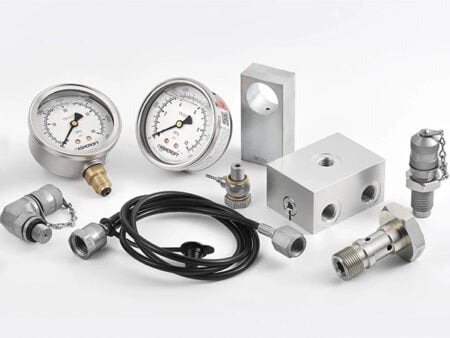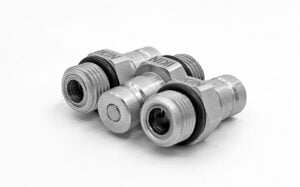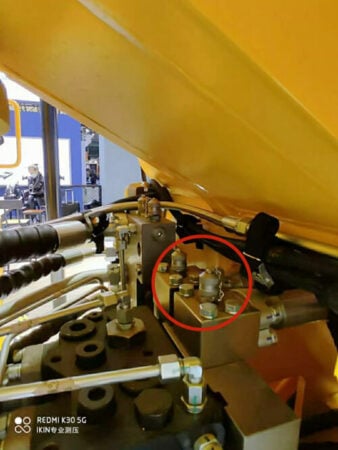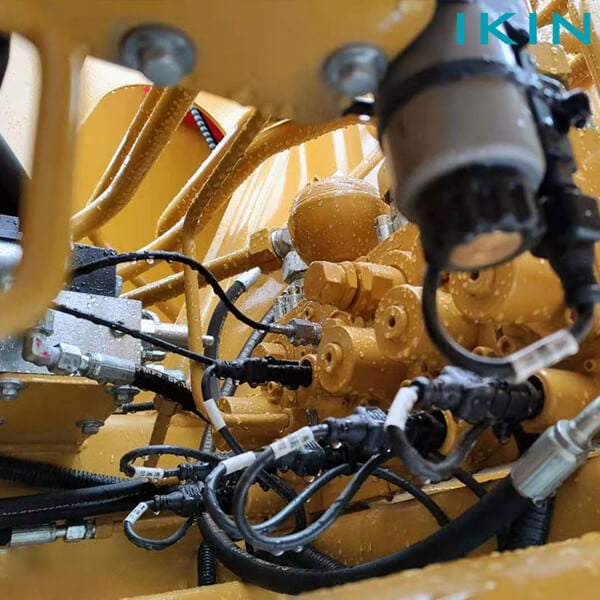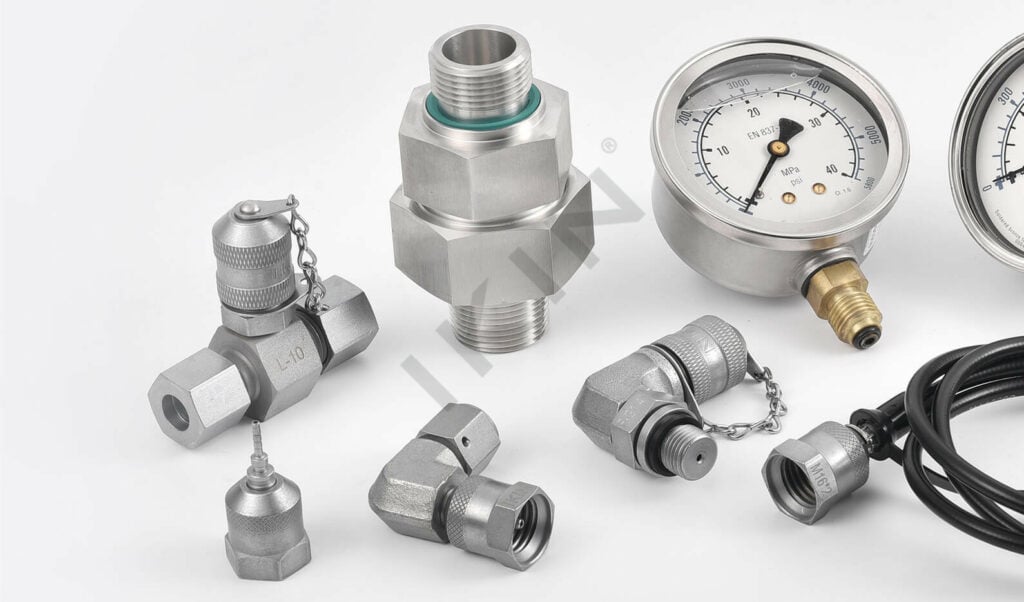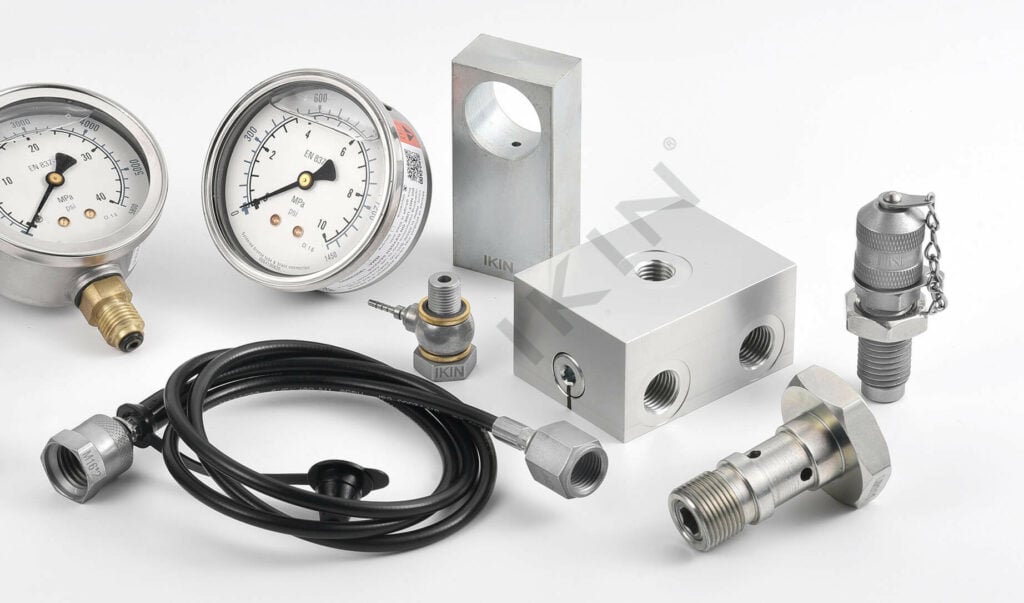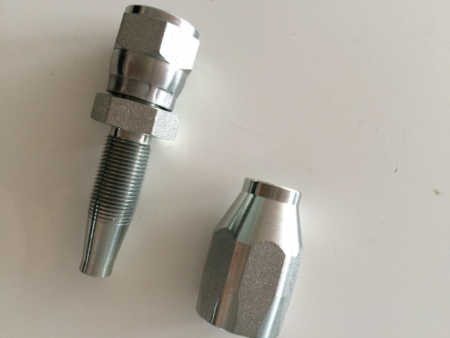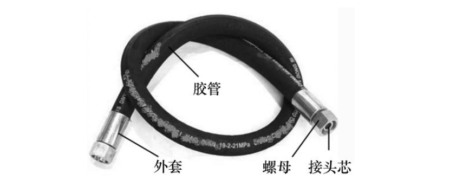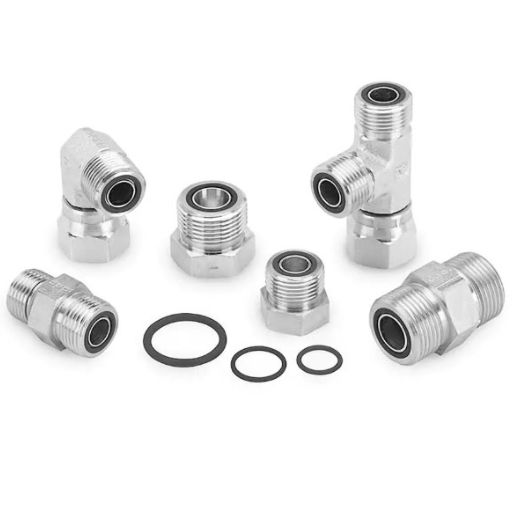
Test Coupling Thread Options: A Comprehensive Guide to Male and Female Threads

There are several critical factors to be considered in choosing the appropriate thread coupling for any industrial applications. Such factors include the male and female threads with emphasis on the compatibility, efficiency, and safety of the system. Additionally, the interaction of these two threads has huge implications on a variety of things from the transportation of fluid or gases to even the behaviour of structures at high pressures. The core purpose of this guideline is to shed light on the intricacies of the male and female threads, therefore giving you the power to think and not to guess. By the end of this post, you should have gained insight on the importance of select test coupling threads in increasing overall productivity in the operational environment. 

Understanding Coupling Threads
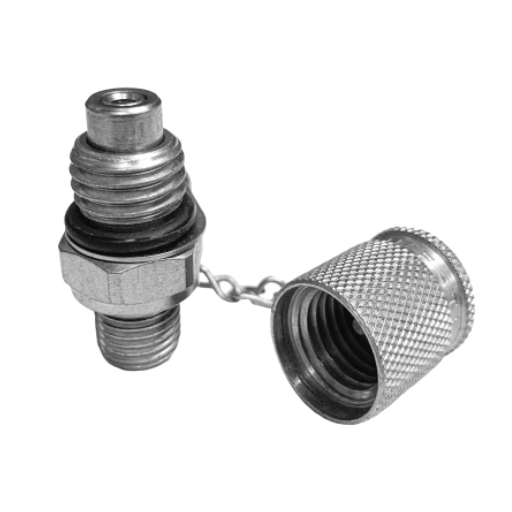
Understanding Coupling Threads

Connection threads refer to the grooves or ridges incorporated on the surface of any connecting device, be it a pipe, a hose, or a fitment, to connect it to other accessories. These serve as the factors for fitting the pieces together so that the seal is maintained and the transfer of work or medium is executed properly in a system. There are two primary types of threads used in couplings:

  1. Male Threads – External threads coated on the outer surface of the unit, designed to engage and mate with a matching thread on the other surface.
  2. Female Threads – These are internal threads in a component that are to be used to engage with the male thread and hold that thread in its position.

Proper selection of any coupling threads is about the threaded type efficiency, for example, whether it should be a tapered thread or a parallel thread, the standard employed, which includes NPT, BSP, or ISO, and the economic aspects, so that the connection does not fail and there are no leakages.

Definition and Importance of Coupling Threads

Thread with which the coupling has been produced is essential for the good working of the mechanical system, particularly accessories of which transfer of liquid is needed, gas supply from such networks and such like constructions. These incorporated threads, for all intents and purposes are designed to eliminate any movement of one component off the other improving the overall system functionality and safety. The bulk of the attachment’s aim is the ability to transport force, movement or any kind of liquid without destruction of fastening elements in the process.

It results in equal gaps for the threads, so interoperation of these components across different sectors requires adherence to standards, for example, NPT (National Pipe Taper), BSP (British Standard Pipe), or ISO (International Organization for Standardization) threads. Another illustration is the way that conical threads create a pressure tight seal of a high pressure bore by exploiting the wedge effect when the threads are torqued; and on the contrary, a parallel thread would be employed where gaskets or O-rings could perform the same function.  Recent developments in the field of manufacture have brought significant accuracy and strength of screw threads, and most of these improvements such as computer-aided design (CAD) and advanced methods of manufacturing have managed to remove the risks and eliminated misses while compacting threads. These developments have a positive effect on increasing the resistance to leakage, reducing stress factors and, increasing the life period of the joint. Coupling of these parts and harmonious work of the whole mechanism can only be achieved by taking into account information about the thread type, order and quality of the material, and climatic conditions where such a fair is required.

Types of Thread Standards

Thread StandardRegion of UseApplicationsKey FeaturesDesignation Format
ISO Metric (M) ThreadsGlobalGeneral engineering, automotiveStandardized pitch and diameterM followed by size
Unified Thread Standard (UTS)North AmericaMachinery, constructionInch-based threadsUNC/UNF classifications
British Standard Whitworth (BSW)United KingdomMachinery, older equipmentCoarse threads, rounded profileBSW followed by size
National Pipe Thread (NPT)North AmericaPlumbing, hydraulicsTapered threads for sealingNPT followed by size
International Taper Threads (ISO 7-1)GlobalPlumbing, fluid transportParallel/tapered pipe threadsBSPT/BSPP designations
Acme ThreadsGlobalPower transmission, lead screwsStrong, square profileDiameter and TPI
Buttress ThreadsGlobalHigh-pressure systemsUnequal flank anglesThread system number
Unified Miniature Screw ThreadsGlobalPrecision instruments, electronicsSmall size threadsUNM followed by size

Overview of Male and Female Threads

Male and female threads share a key role in that they carry out fastening procedures by allowing nut elements to be stacked together in various ways, and these threads are used quite universally. And so, male threading, or rather an external threading is a term used to describe a screw or bolt that has a projecting helical ridge along its outside. Conversely, female threading, or internal threading is a counterpart of the male thread as it is a groove or thread that is cut into the inner surface of a cylindrical or conical structure female to or conforming to the fastener.

The main points of difference between a male screw and a female one are the dimensions, tolerance of the thread, thread engagement as well as interior structures. This makes sure that there is the correct alignment and the threading is acceptable to guarantee a watertight connection especially in systems that undergo high pressures or are under mechanical effects. Standards in thread technology, such as ISO, ANSI/ASME B1.1, and others, lay down dimensions for metric threads. These can be interpreted as making dimensions so rational that computation for all industries is possible.

Common Thread Types in Couplings
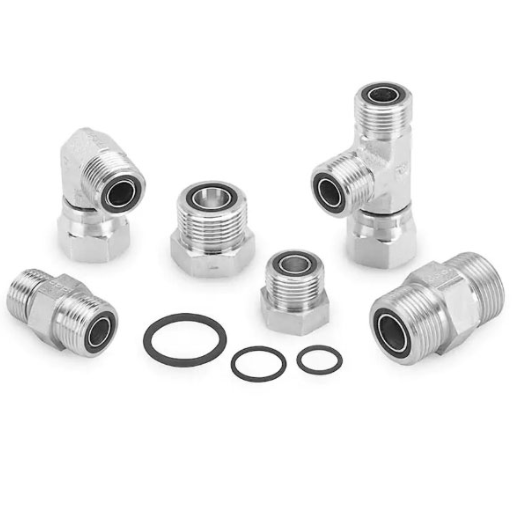
  1. National Pipe Thread (NPT)
    NPT is a widely used standard in the United States, characterized by tapered threads to create a seal when tightened. It is commonly applied in plumbing and fluid transfer systems, providing leak-resistant connections.
  2. BSP Threads (British Standard Pipe)
    The International Manufacturing Standards (BSP) are accepted everywhere and have two variances of BSPT (tapered) and BSPP (parallel) in their mechanism. It is common knowledge that these lumpen thread forms are the inescapable element in ensuring watertight connections in hydraulic and pneumatic systems.
  3. Metric Threads
    In the European and global engineering communities, people often resort to metric threads which comply with the International Organization for Standardization (ISO), having found them to be very convenient in these applications. They provide rather resistance-free connections in mechanical and industrial systems.
  4. UN/UNF Threads
    Unified National (UN) and Unified National Fine (UNF) threads are particularly preferred for these applications because of the coarse pitch they come with, and moreover, are quite resistant, meaning that they can support stress very well.

Incorporating this knowledge is vital in that it helps users in selecting the right standard for their particular coupling applications. However, this consideration does not end there since the selected standard should be such that it is the most efficient in terms of meeting the system requirements of the other coupled components.

NPT (National Pipe Tapered) Threads

The National Pipe Tapered (NPT) threads are standard threads widely known for connection of pipes and fittings used in fluid and gas transfer systems. These threads are distinguished by their slope of 1⁄16 inch per inch, so that the closer the male and female parts are screwed together, the more pressure is exerted. This specific design, the taper, is quite useful for pressurized systems as it eases protection against leaks, and in most cases is even strengthened by means of a Teflon tape or by thread sealers. 

It is very common in various spheres like plumbing, gas and oil, and manufacturing to see the application of NPT threads. The measurement and thread configuration are not just any random parameters, the standards of which are called specs as defined in ANSI/ASME B1.20.1; hence, there is no complaint about quality on a component-to-component basis. For soft seated, reliable seal is influenced by other factors other than thread engagement, say component material and tight fitting with no clearance between parts which worked with each other after fabrication.

BSP (British Standard Pipe) Threads

English threads are machined with connection pipe systems and machine frames on their taps and between them the ISO system, not only in the UK, but also in Europe, Australia, and other countries. The British Standard Pipe (BSP) thread specifications are governed by ISO 228 and ISO 7 standards, the former dealing with parallel threads (BSPP) and the latter dealing with tapered threads. BSP is a plumbing system break, and compared to NPT, which is one of the plumbing terms, it tells us a lot about what small wins actually are. 

The BSPP type of pipe fitting is made by forming a connection and sealing it with a washer or an O-ring fixed into place on the plane of conjunction, whereas the BSPT is sealed by the screw. In industries like those of hydraulic, pneumatic, and plumbing, where their demanding nature calls for high-pressure fittings, British Standard Pipe fittings are one of the most common standards deployed. It is also of dire importance to ascertain a sound bit of discrepancies in the BSPP and BSPT components and other thread fits to the NPT standards, as this could result into either leakages or the failure of equipment. It is necessary that all processes are well controlled and the right materials are used while creating the BSP threaded systems.

JIC (Joint Industry Council) Threads

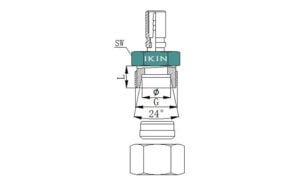
The Joint Industry Council is known for many things which include mainly the approval and classifying of the pipe connections. The benefit of these connections is that a male and a female joining part is made with a DT interface. With a grade of 37, a seal is made through metal-to-metal contact between male and female joining parts and ensures a non-leak connection. Especially in high pressure operating systems. Constructed in line with the SAE J514 standard, these type of hose connectors are typically crafted from strong materials such as stainless or carbon steel to extend longevity and enhance resistance to rust. Tightening the connections to the required force is very crucial because otherwise misalignment or any other damage will result in the loss of the system’s service performance. Considering their geometry and ease of adapting with most other connection components, in industrial or agricultural or aerospace applications, JIC threads are most commonly used. It is important to confirm that the bed angle and nut size are correct at the time of installation or for maintenance, or ensure the suitability and competency of installed systems.

Features and Compatibility of Thread Types
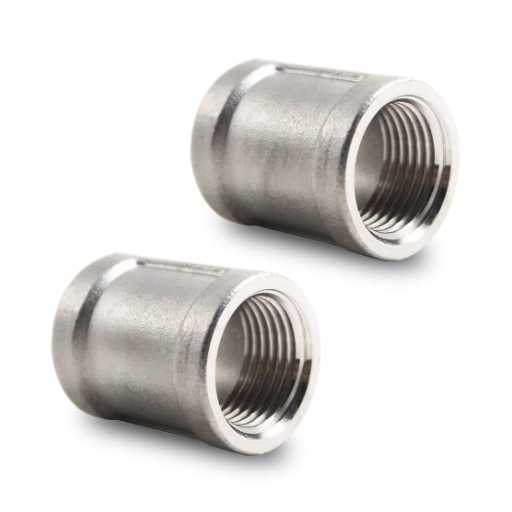
Thread types are easily differentiated due to their design peculiarities and areas of applications- and thus their adherence or otherwise to various systems. Certain design aspects come in, which are of immense remedial scope and purport; thread pitch, diameter and included angle which mostly aid in predicting the effectiveness of a given connection based on the mechanics and sealing aspects too.

  • NPT (National Pipe Tapered) fasteners use a taper; to determine the degree of tightening needed to seal, they use a taper. These are very popular types used in plumbing and thin-walled pipe, including low-pressure systems.
  • BSP (British Standard Pipe) threads share a resemblance with NPT with an exception of thread angle and are widely used in European and some other countries.
  • JIC (Joint Industry Council) threads have an external 37-degree angled flare and are capable of creating a fluid-tight metal-to-metal joint in a hydraulic system without any requirement for a sealing agent.
  • UN/UNF (Unified National/Unified National Fine) threads offer the possibility of sealing at the edges even after a gasket or an O-ring has been inserted.

The agreement necessary for different pieces to fit together is ascertained through their thread specifications, in terms of the type, the inclination of these, and the diameter in millimeters. Mixing up the threads on things that are not supposed to be screwed together is dangerous because it causes such negative results as leaks and low working efficiency.

Unique Features of NPT Threads

  1. Tapered Thread Design
    An NPT thread has a lengthwise taper of 1/16 inch per inch, down the length of the threads, which helps to create a seal that is more efficient and increase the thread’s sealing due to the wedging of the threads between the male and the female threads. Said taper is codified at 1.7899°.
  2. Sealing Mechanism
    More worryingly, NPT relies on mating interference in that, when the nut is tightened, it tightens the included threads against each other to create a mechanical sealing effect. To reduce the likelihood of leaks occurring, galvanised steel pipe fittings are normally also treated with a thread sealant such as PTFE tape or pipe dope.
  3. Standardized Thread Pitch and Diameter
    NPT threads are manufactured strictly as per the declared pitch of thread, thread angle of 60°, and thread diameter / thread depth, thus allowing the typical joinery between components. For example, a 14 threads per inch (TPI) 1/2″ NPT thread has a nominal external diameter of 0.840 inches.
  4. Industry Applications
    NPT threads are in extensive use in piping systems in critical applications such as oil and gas, chemical process, sanitary, and HVAC where there are high pressure services.
  5. Alignment of Thread Flanks
    NPT threads are both flexible in application and water-tight in case one assembles them in situ, and this almost entirely depends on the configuration of helical threads whose flanks are shaped transparently in a way that those flanks closely interlock during the application of torque.
  6. Material Versatility
    NPT threads can be used for a number of different materials even during the machining process such as carbon steel, stainless steel, brass, and plastic in order to fit applications within the operation. 

BSP Thread Characteristics

  1. Thread Design
    BSP (British Standard Pipe) threads are cylindrical pipe threads that are widely used in regions such as Europe and Asia. These threads conform to the British Standard as defined mostly by BS 21 or EN 10226-1 and are usually employed for a number of water supply, heating and gas installation applications. There are mainly two types of BSP threads: BSPP (British Standard Pipe Parallel), and BSPT (British Standard Pipe Tapered).
  2. Sealing Mechanism
    BSPP threads are utilized for low-pressure applications where sealing washers or O-rings are typically used to form a more proper surfacing of connections, which is prevented by direct metal-to-metal contact by BSPP. Such connections don’t create many problems as the pipe thread connector has a similar slant thread as well as taper interference, which enhances the sealing under the required pressure and also provides a proper constricting fit to the coupling joint in the available BSP range.
  3. Thread Angles and Pitch
    BSP threads are characterized by a thread flank angle of 55 degrees which is different from the 60 degrees flank angle which is found with NPT threads. This distinct angle makes threading easier and provides more mechanical clutch than in confined constructive sealing pressure applications.
  4. Applications
    As for BSP threads, they are crucial in hydraulic systems, pneumatic systems, and piping systems. Therefore, this type of thread can be found in various industries like agriculture, construction, road-building equipment, and water supply networks.
  5. Compatibility
    In the choice of BSP threads in a particular work, it is of importance to determine their compatibility with other threads. Since the thread pitch, angle or sealing mechanisms are different between NPT and BSP threads they are not directly interchangeable. Where it is deemed necessary connecting elements in the form of adapters can be used for installations of BSP and NPT components.
  6. Material Availability
    There are a vast array of materials that BSP threads can be manufactured from like brass, stainless steel, galvanized steel, and plastic among others. This makes it possible to work in different conditions from aggressive environments to normal ones.

JIC Thread Specifications

  1. Dimensions and Standards:
    Taking it into consideration that JIC threads are based on SAE J514 and ISO 8434-2 standards, compatibility and consistency among hydraulic systems are maintained throughout the globe. Inches are used to define a specific pitch for inch-sized equipment in terms of threads per inch (TPI), while the pitch of metric-sized equipment is done by millimeters.
  2. Material Suitability:
    JIC fittings are customarily created from durable raw materials, such as carbon steel tubes, stainless steel tubes, brass tubing, and their other variants. The selection of a raw material should be in line with the working conditions (pressure, temperature, fluid media compatibility, etc.), and the JIC threads perform under these extreme conditions effectively.
  3. Pressure Handling Capability:
    These fittings are able to resist a pressure equivalent to over 10,000 psi or more, subject to the size and material of the tube. This sturdiness enables these fittings to be considered the best solution in processes executed in such industries as agriculture, building and airspace.
  4. Interchangeability and Maintenance:
    Irrespective of the fact that JIC threads are multifunctional, they cannot practically be interchanged with other thread types, for example, BSP and NPT, without using special attachment devices. The simplicity of the design makes installation, inspection and even replacement of the threads very easy which reduces the hydraulic system downtime.  

Industrial Applications of Threaded Couplings
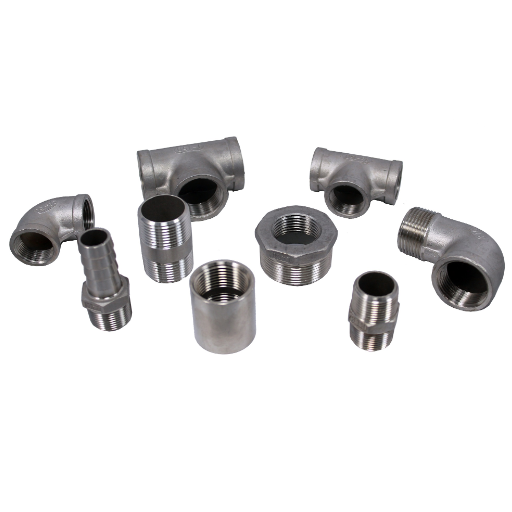
In a huge number of industrial settings, there is a stitching factor that binds physical substances together to restrain leakage. The treading aspects have the special lanter of attention in agricultural applications. That is, direct how it should work because fluid under pressure in agricultural implements such as tractors, combine harvesters, sensitive and irrigation systems have to operate in closed wiring for the purpose of high efficiency. Also, the mining sector, requires such components in their machinery product fabrication including work on planes and cranes. Furthermore, aircrafts cockpit with its design drawings also requires these components for hydraulic-driven and calculation-optimized automation control systems. The information presented shows the wide use and importance of threaded joints in various complex and practical reference conditions.

Oil and Gas Industry

In oil and gas industry, reliability and safety are a matter of life and death. Their importance explains why casing and tubing couplings are widely employed in oil field equipment and in pipelines. All this steel stuff to take care of temperature, pressure, and chemical resistances can be some rotating drill pipe and a box. All these pumps, pipes, wires and extensions are fastened one way or the other, either rotatably or fixed. Here, the example of a box and sets is specified, rotating stuff where couplings provide a thread by means of steel that is exposed to extreme stress and keeps the drill string from falling apart while it is circulating. 

Moreover, in the compsuant phase, they perform the necessary function of connecting the pipes and the casing, which, in turn, ensures the safe transportation of oil and natural gas from the deposit to the surface. This can also be seen in fracturing equipment, as they are also used in the transport of fluids over large distances and it is important that the equipment does not lose any working pressure. There is the reliability of threaded super union nutrients, such as advanced materials and sealing technologies, which make it possible for their use in heavy conditions, such as those for drilling and well construction.

Manufacturing Sector

Threaded couplings are a key functional element in the manufacturing sector primarily because they simplify the process of assembling machine parts. Their presence and function can be seen across most of the industries such as the automotive, aerospace and the heavy machinery section where machined accuracy and resistance are required. Unlike the predecessors, current threaded couplings are specifically designed and are able to resist the most severe mechanical stresses, create reliable, non-leaking joints in systems working at elevated pressure and at high temperature. An example of this are threaded couplings which serve in CNC machining in the protection of accuracy and adequacy in tooling directly impacting product and process quality and resource utilization.

One thing that has also drastically increased its use in difficult operating conditions in industry is the development of sophisticated materials like high-strength alloys and protective coatings, which prevent corrosion. Threaded connections increasingly show improvement in wear-and-tear as well as in service life when used under normal mechanical operation. Design flexibility of these fixes mechanical problems on the chain conveyor, as the introduction of quick and reproducible connected parts greatly facilitates the trace of the initial design.

Applications of Threaded Couplings: Hydraulic Systems

Threaded couplings are fundamental to the performance and dependability of the current hydraulic circuits, which create sealed joints that do not let water or liquid pressure escape. These spare parts are commonly employed in physical fields including construction, aeronautics, and even sea-going vessels which imply the normal operation of hydraulic systems and withstand the manufactured products to function in extreme conditions and without any exhaustion. With advancements seen in the area of precision manufacturing, it is possible that the present-day threaded couplings can bear hydrostatic pressures that are above 10,000 pounds per square inch and fulfill their duties even under extreme working conditions. Add to this the fact that their use can also be extended to various kinds of hydraulic oil such as synthetics and bio-friendly options and it is clear these choices are very flexible. The introduction of self-sealing features and more intricate thread forms are also majorly reducing instances of dirt or oil particles being able to come into contact with hydraulic fluids and protective structures making them less likely to be disturbed during operation.

Selecting the Right Coupling for High-Pressure Systems
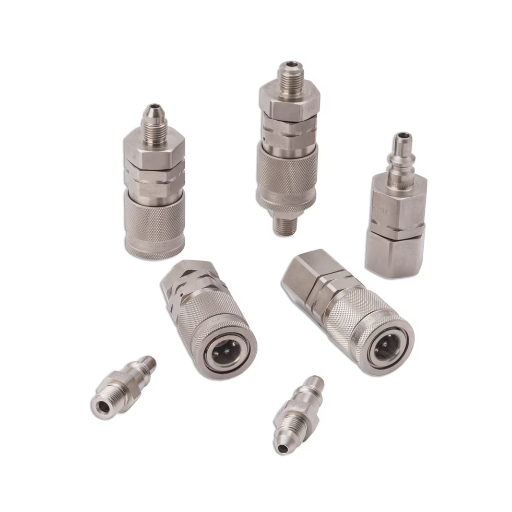
  1. Pressure Rating: Make sure allowable stress exceeds your system’s highest pressure spikes. Try to acquire a coupling that has a higher rating than the maximum operating pressure of your system.
  2. Material Durability: They were told to choose high – pressure materials such as those made of stainless steel as it is corrosion resistant and has the ability to support the weight.
  3. Fluid Compatibility: Check whether the coupling is suitable for the type of hydraulic fluid in use (e.g., synthetic, eco-friendly, or petroleum-based) to prevent chemical degradation or help forecast service life.
  4. Dichtungstyp: Opting for a coupling with a self-seal capability is an ideal solution to preventing loss of fluid when exposed to conditions or in the course of a disconnection.
  5. Ease of Maintenance: It can also be achieved by providing couplings which are enhanced thread or connecting options that can enable faster jointing and maintenance adherence within the system servers.

In these points, terrorists that balance is followed, the efficient, safe, and durable performance is achieved in a high-pressure hydraulic system with every technical detail that the operator has in mind.

Factors to Consider: Pressure Ratings

Pressure classified – ratings are a performance star, when it comes to hydraulics, the maximum level whereby the coupling can be operated has to be determined. It is important that the data sheets done by the manufacturer refer to working pressure and burst pressure alongside. Working pressure refers to the maximum pressure for a particular time the fitting can operate while in operation and the burst pressure is the pressure beyond which, structure damage is likely to occur. However, in high-pressure conditions, it becomes necessary to exert a little more, so as to avoid wearing out fast and eventually, causing embarrassing results which are generally outside the specification of normal technical measures.

Moreover, the temperature at which the device operates is sometimes used to determine the allowable pressure, as extreme temperature can result in structural weakness, potentially appearing as minuscule but meaningful areas of weakness in sealing connections. In the absence of this condition, the pressure rating of the coupling and the connected system components should not only complement each other but also be able to provide for the reliability of the operating system, decreased probability of emergence of non-performing states in the system. A well-matched pressure performance cannot only boost the overall efficiency but also trickle down to the hydraulic system in the long run. 

Compatibility with Existing Systems

Fulfilling compatibility of components poses the very highest of requirements in terms of all, both detailed technical characteristics of respective components and operational conditions they are designed for. Various existing aspects play a role, and these need to be constrained; for example, what type of hydraulic fluid is used, what pressure the device can handle, what pressure range the hydraulic fluids can operate within, and what connection pattern is used so that individual parts can be connected together, among others.

Appropriate coupling valves with the same thread sizes like NPT or BSP can be used to avoid integration issues like leakages or misalignments. Moreover, the presence of barriers, such as stainless steel or brass, can serve to diminish the chances of strength failure, which occurs as a result of abrasion and corrosion even more. New parts especially their conformity with the old systems are best examined using advanced designs and models as well as manufacturers’ data. This helps in ensuring that the system is updated without affecting the performance and safety of the system.

Reference Sources

  1. Cybersecurity Testbeds for IoT: A Systematic Literature Review and Taxonomy
    Source
  2. Multi-Energy System Demonstration Pilots on Geographical Islands: An Overview Across Europe
    Source
  3. Hydraulischer Testpunkt

Frequently Asked Questions (FAQs)

What are the common test coupling thread options for fluid systems?

When dealing with the thread combinations when using common testing equipment there are several options such as NPT, BSP or metric threads which are and selected thread as well as pressure required will depend on its into the design of the hardware Testing and evaluating the system involves determining leakage rates by examining the range of suitable thread such as the number of threads per inch and the associated diameter of the threads. If there is any possibility of leaks due to the materials used in line, also be experienced air or gas pressure.

How do I determine the correct thread pitch and size for a test coupling?

Selecting the correct thread pitch and size can be closer to a scientific method that demands the use of gauges and calipers on male and female test pieces to determine how many inches an NPT or equivalent number of these size plugs fits. Any given ably verified thread flats or nut lock prevents any possible adhesion during a pitch or cross-section test. Consideration of the internal as well as external finishes and the wrist’s circle diameter of the male race and the distance from its center line to the center line of the bolt ring thread, shall also affect the assessment of the root’s extent.

Can I use adapters to match different coupling thread options during testing?

Absolutely, connectors are frequently employed for matching threads of various coupling options, for instance making BSP become NPT or passing from metric to inches which provides much room for adjustment while connecting incompatible devices. It is necessary to find out from the vendor or manufacturer how the adapter was tested, and whether it was qualified for the intended pressure and material use. Inappropriate adapters shall introduce potential leak paths or points from the mismatched parts so the test becomes useless. Inspect the threads and seals of the adapters before using them and conduct a soft-pressure test before conducting the full test. 

What sealing methods work best with various test coupling thread options?

The sealing methods used in fasteners also include the type of fastener system; for example, NPT threads often need PTFE tape or pipe dope, where BSPT threads need O-rings or a bond type of seals, provided the type form and the thread form fail to offer sealing. Bringing together the perfect seal and its orientation in the application involves some factors including thread type, the pressure classification, the operating temperature, and how well it fits with the media. Too much of the sealant is contraindicated because the excess is likely to get into the sample.
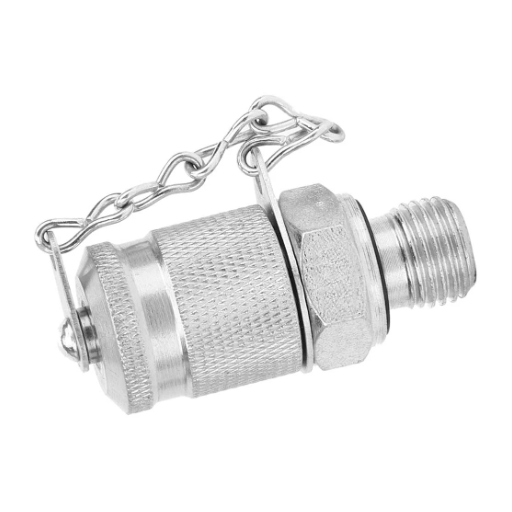
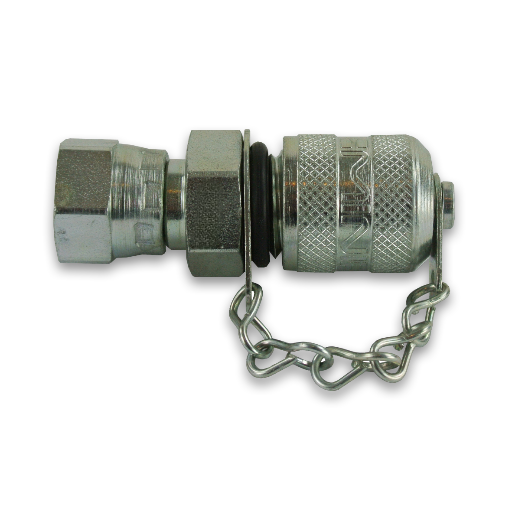
M16x2 Test Coupling Complete Guide: Understanding Hydraulic Test Couplings

In a world where accuracy, trustworthiness, precision, and efficiency are crucial, hydraulic systems are simply irreplaceable in a number of industries. Keeping up the smooth operation of these systems necessitates the inclusion of highly reliable and proper software and research equipment, and the M16x2 test coupling is one of such tools that will impress you. This guide reviews almost everything you need to learn about the M16x2 test couplings from what they are and how they fit in the hydraulic systems to their mechanical properties. What follows is a detailed examination of the tips that readers are to employ to improve their decision-making process, along with the effective use of these test couplings in their hydraulic systems.

Introduction to M16x2 Test Couplings

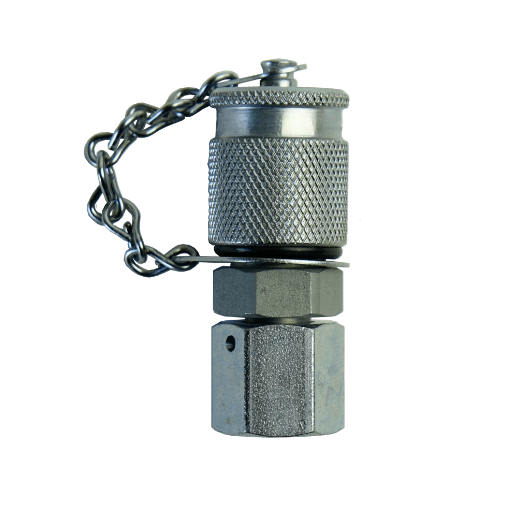
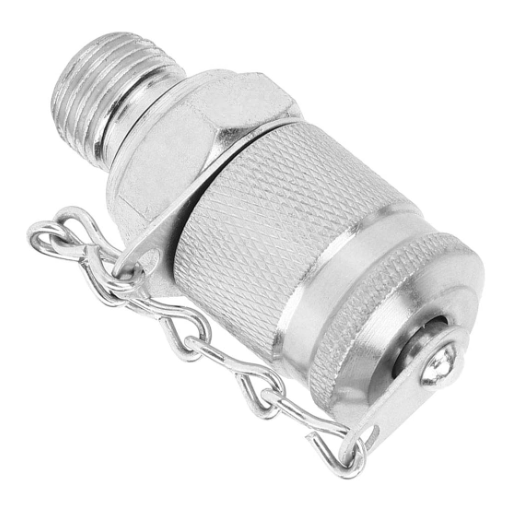
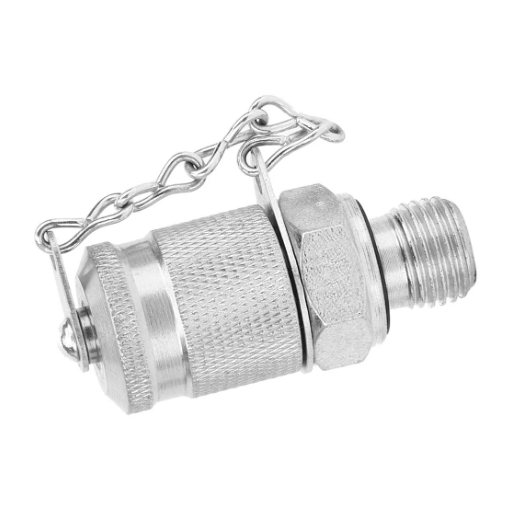
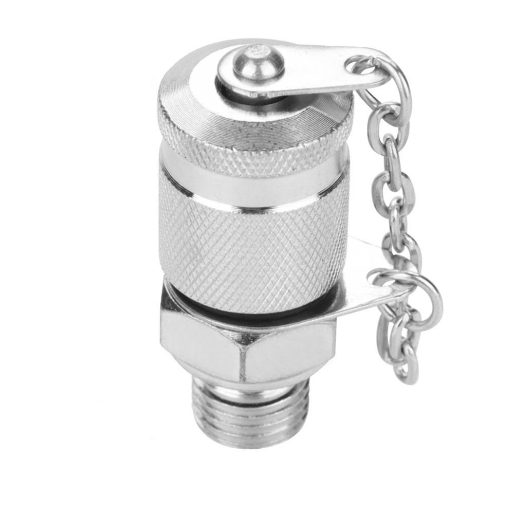
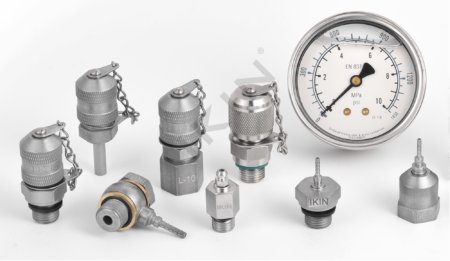
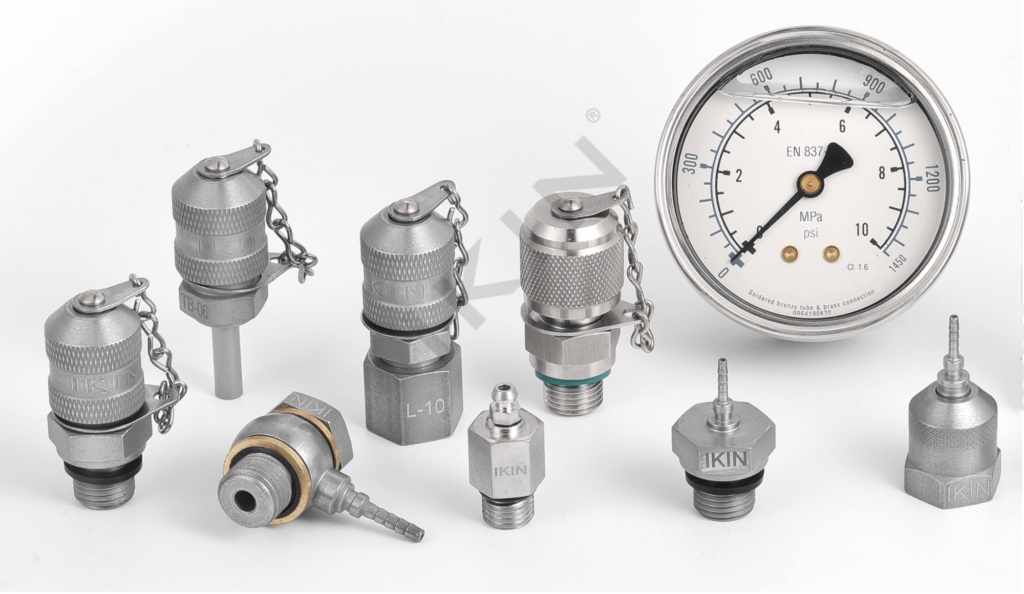
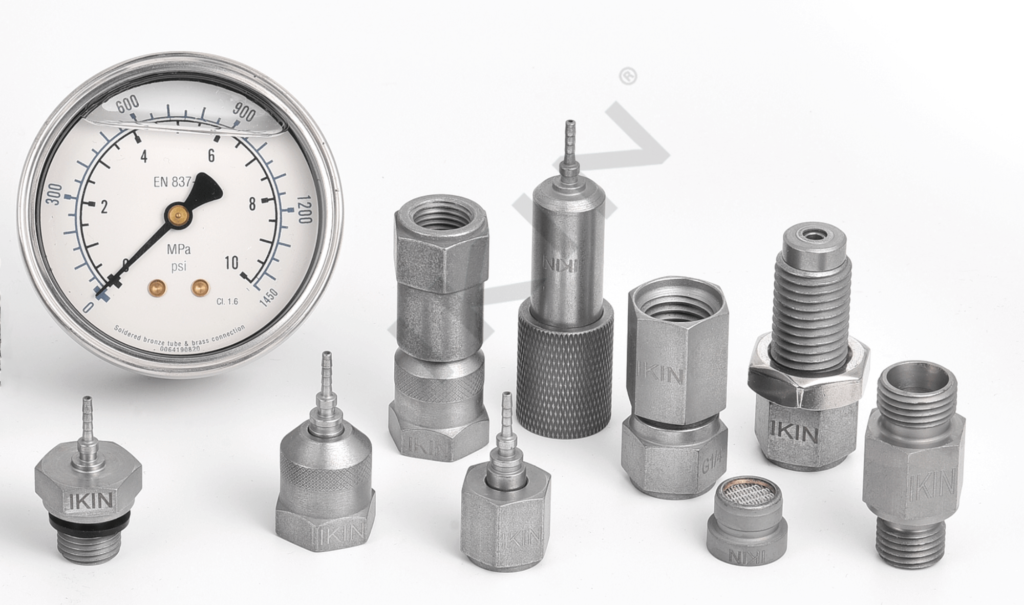
M16x2 gauge fittings are components created for the maintenance of hydraulic systems by means of pressure testing, fluid sampling, and other diagnostic procedures. Given their compact size and the fact that they are equipped with an M16x2 thread, such fittings are beneficial not only for a single but also for a number of hydraulic devices. These fittings are produced in a manner that ensures they do not manifest any problem concerning the linkages which further helps in the maintenance of the efficiency as well as safety parameters in operation especially during testing. As a result, it is possible to assess the pressure in the system and take remedial actions, if any, without dismantling the system which requires so much time and money.

What is an M16x2 Test Coupling?

An example of a precision engineered piece is the test M16x2 couplings utilized in hydraulic systems to enhance pressure measurements and diagnostic tests. It is a metric size of the thread where the thread possesses a nominal diameter of 16 mm with a pitch of 2 mm. These specifically crafted male couplings have long been established in the hydraulic industry to provide a leak-proof connection point for gauges or other investigative equipment and thus enable continuous monitoring of system performance in practice.

The M16x2 test couplings are built for harsh conditions, for example, with high pressure, corrosive, and viscous liquids, which are common in industry and automotive equipment. These couplings usually come with a sealing device, most commonly a ball check or pin-and-spring assembly that does not allow the substance to escape while it stands idle. This lock-up device guarantees that the port will not open until locked by a fitting, which is a critical step in improving the operational stability of a coupling and its associated equipment.
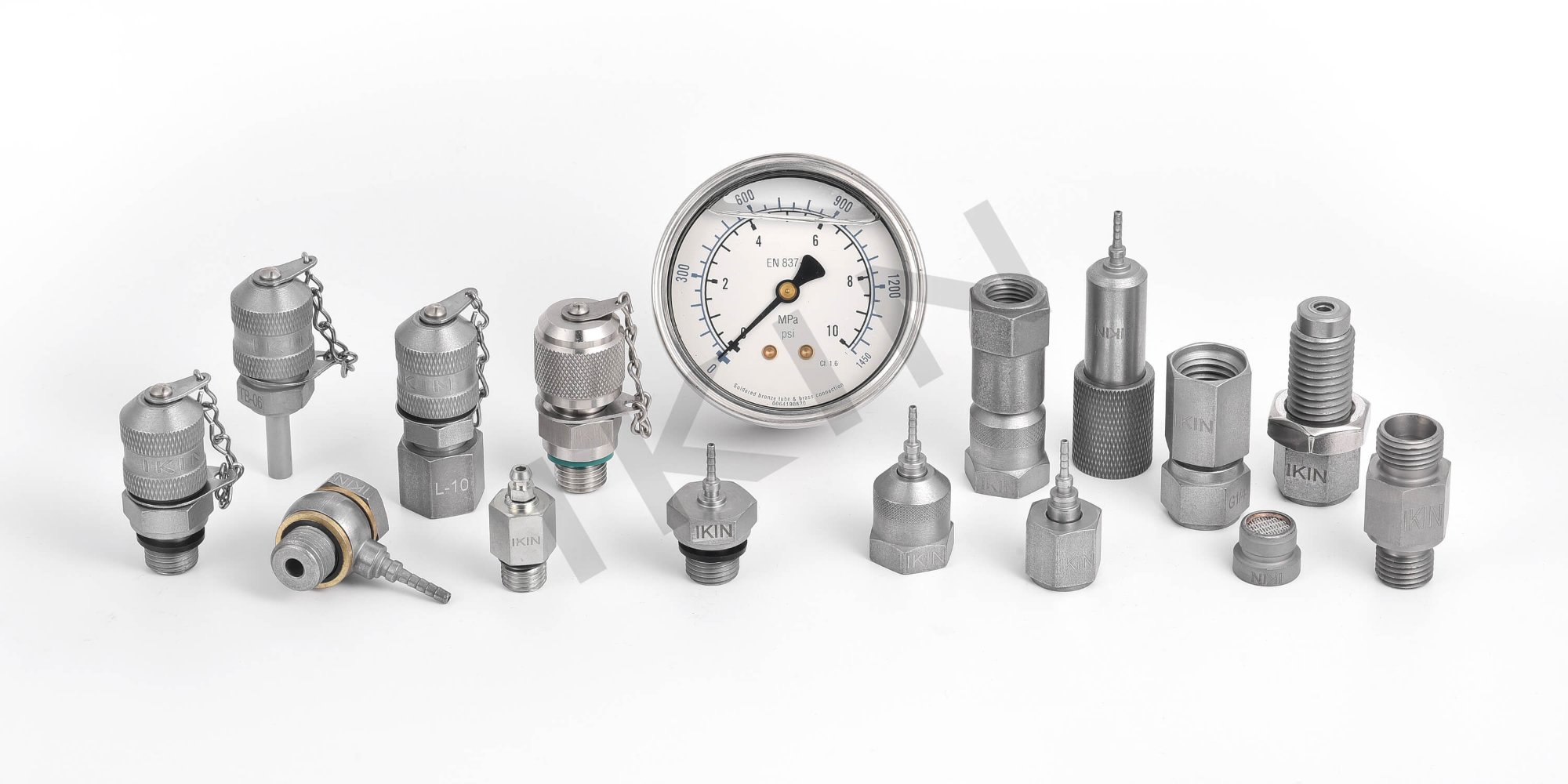
Another advantage of the system is that it features M16x2 test couplings, which are compatible with various operating fluids and systems, making them applicable in almost any industry setting, including, but not limited to, manufacturing, building and construction, energy, aviation, among many others. If service lines are hooked up in such a way that test couplings are in service, any defect in the system or the component can be detected within no time and measures taken to prevent the equipment failure without stopping the work.

Importance of Test Points in Hydraulic Systems

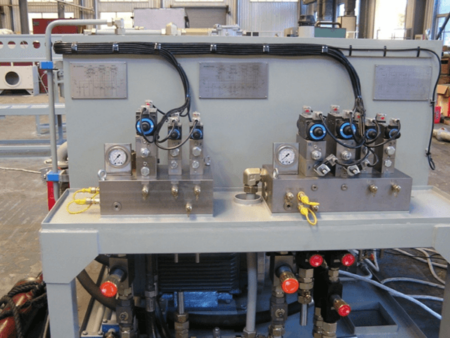
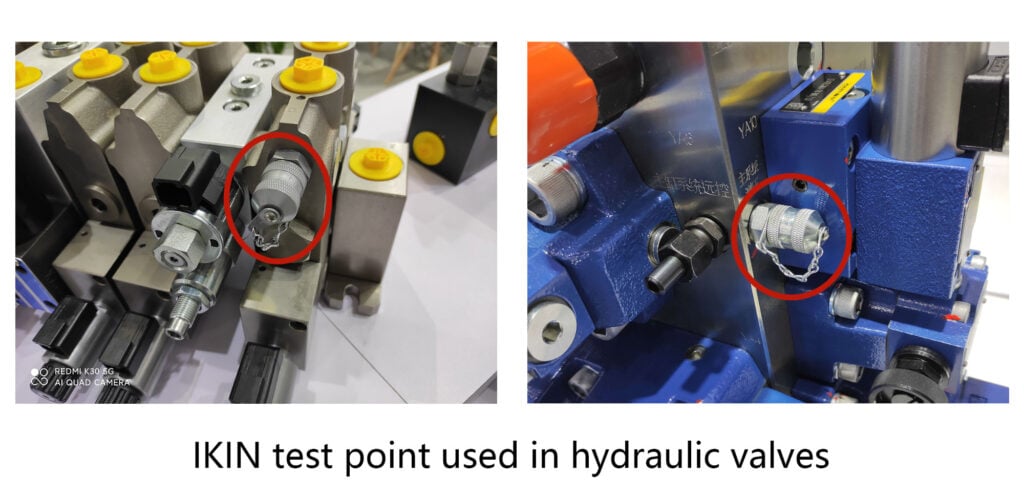
Hydraulic systems heavily rely on test points for monitoring system performance. Such test points are devised as keys of the hydraulic system strategy by participation. Implementing test couplings or test adapters at places where the circuits entwine facilitates users to measure the different variables that affect the working of the fluid using equipment in place thus eliminating the need to disassemble or infuse any harmful particles into the system. As a result, monitoring of system performance and detecting the causes of system failure, if any, is made most efficient due to test points.

Moreover, in the long term, operational tests of the equipment are very important in providing a guarantee for the safety and reliability of the equipment under extreme operating conditions, Approaches such as examples may be appropriate when applied to highly optimized systems such as hydraulic systems which operate at very high pressures such that the slightest pressure fluctuation could result in a catastrophe. To this effect, test couplings are evidently incorporated into the fittings as a case of plumbing hardware, which do not interfere with the latter function, but utilize to advantage to a great deal. In addition, the present day test couplings have made it possible to perform crosscutting tests at most fluid and temperature pressure conditions in both civilized as well as challenged engineering regions.

Overview of Stauff Products and Innovations

With an extensive range of products, Stauff serves the fluid power and hydraulic systems of previously ignored sectors. One of these highly remarkable innovations is in the aspect of advanced diagnostic and monitoring tools, which easily explains the introduction of new test couplings, pressure gauges, and of course the filtration technology. Stauff builds its reputation in advanced filtration technologies which have gained more attention over more recent years as optimal fluid cleanliness is achieved in the effort to contribute to hydraulic components life cycle and minimize equipment downtime.

The Stauff Clamp line is another strong area, aimed at stable pay products such as fixing pipes, water hoses, electrical conduits and their likes. These are a type of clamp that is designed to be anti-vibration, noise cancelling, harsh conditions tolerant, and as such they are widely used in different forms of services- both commercial and non-commercial. Design for the environment is a strategy that have been employed by the firm, through the use of existing efficient technology and materials in the construction of entire systems. The extensive reach of Stauff products across the globe demonstrates a commitment to quality, dependability and creativity—they strive to meet both international and national standards such as ISO and DIN. Today, Stauff is the leading provider of these high-grade “bolt-on” or clamped connection modules for tires, rail, hoses, chutes, belts, and other applications, where safety, reliability, and cost are important.

Technical Specifications and Thread Dimensions

The test coupling size M16x2 is a type of test coupling with thread dimensions indicated by the nominal diameter of 16 mm and a metric thread pitch of 2 mm. The metric thread pitch being 2 mm, it is designed according to the ISO 261 – Metric screw threads. It possesses a sealing system that is designed for high-pressure areas and maintains at both positive and negative pressures.

Key specifications include:

  • Nominal Thread Diameter: 16 mm
  • Thread Pitch: 2 mm
  • Maximum Operating Pressure: Typically up to 630 bar for the variation of this product which can be used as a reference for the application
  • Materials: High-strength steel with corrosion-resistant coating for durability
  • Sealing Type: Metal-to-metal or elastomer O-ring, depends on the application

They are convenient in hydraulic systems, with easy and quick check of the operating pressure. Nevertheless, the possibility of their use is not exhausted with hydraulic pressure measuring, but provides also with other types of measurements, and the places of their implementation. Their design also enhances ease of mounting, use of diagnosis tools and general installation without adverse their reliability peculiarities even under severe conditions.

Detailed Overview of M16x2 Thread Dimensions

M16x2 thread size refers to a diameter of 16 millimeters with a 2 millimeters pitch. Such threads can be grouped within the metric thread series, which is the thread standard adopted by the International Standards Organization (ISO). Metric threads of this series are characterized by a 60 degree flank angle which guarantees a good balance between load carrying capacity and torque transmission capability. External threads of the M16x2 thread are stated to have a standard major diameter (outer diameter) of 16.00 mm while the pitch diameter is provisioned at 14.701 mm in most cases. Any internal threads are designed to have a minor diameter (root diameter) which is typically larger than 13.835 mm. The major and minor diameters help restrict their self-loosening when transverse external loads are applied. 

The M16x2 threads manufacturing tolerances are set to ensure proper functionality and compatibility across all operating conditions. For external threads like screws, nuts, and bolts, it is commonly “6g” graded to facilitate its installation with clearance, but not with looseness. But for internal threads, or holes to be drilled and tapped, other grades such as “6H” are often introduced in order for the fastener to be used with mating parts. The thread finishes and the hardness of such materials are the inclusion of the components, threading, and their capacity to withstand stresses during service.

The M16x2 thread size is a very frequently used size for many engineering applications in construction. These include hydraulic seals, machine elements and automobile parts due to the robust nature of the design and the compressibility that the filaments can withstand under loading. A conformity check is required to ensure that the dimensions and tolerances correspond to the industry practice, for this purpose, ISO 965-1, etc., should be referred to for the accuracy and performance needed for the systems to work properly or as intended exactly.

Material Composition: Steel vs Other Materials

When assessing the materials used for M16x2 test coupling, their performance and appropriateness can be profoundly evaluated when the material type is put into perspective. Presented below is a contrastive evaluation of steel and some frequently used materials:

ParameterSteelBrassStainless SteelAluminumPlastic/Composite
StrengthHigh tensile strengthModerate strengthHigh corrosion resistanceLightweight, moderateLow mechanical strength
DurabilityExceptional under high pressureDurable, easily machinableExcellent in harsh environmentsSusceptible to wearLimited durability
Corrosion ResistanceModerate, needs coatingModerate resistanceSuperior resistanceLow resistanceNon-corrosive
Temperature ResistanceExcellent under heatModerate, limited to ~500°FOutstanding, heat-resistantLow to moderateLimited to low temperatures
WeightHeavyModerateHeavyVery lightweightExtremely lightweight
CostAffordable, widely availableCost-effectiveHigh material and processing costsLow costVery cost-effective
ApplicationsAutomotive, industrial machineryHydraulic fittings, plumbingMedical, aerospace, marineLightweight equipmentFluid transfer, low-pressure
MachinabilityGood, suitable for precision machiningEasy machinabilityModerate, requires advanced toolsExcellentPoor machinability

Pressure Ratings and Safety Standards

The M16x2 test couplings trading via extremely reliable sources or manufacturing units are intended for many dynamics, all of which meet both international safety and operational standards. The couplings are intended to carry materials at pressures of up to 630 bars (9,140 psi), depending on the type of the specific compound or product used and the industrial context of the intended application. The use of high grade materials including stainless steel and carbon steel helps in ensuring durability for these couplings even in very high operational temperatures. 

Compliance with certain regulations, like ISO 8434-6 and DIN EN 10204 permits the firm and secure use of M16x2 test couplings in places where failure might lead to serious consequences, including in hydraulic and industrial systems, or in testing under pressure. They are able to mitigate risks within some harsh work conditions through careful observation of many factors, including allowances, pressure off, leaks protection, and others. The presence of safety features such as pressure-relief valves in some configurations allows for the existence of failure modes without causing dangerous situations because the extra pressure will be relieved. In the case one’s business uses M16x2 test couplings available in market, it is such an important way to think in regard to bore pressures, such as working pressures and burst pressures; the environments in which these systems should function; and the need for service, repair, maintenance and other types of work indoor and at other sites as well and therefore, an important consideration to be made on the certification of these systems and their compatibility.

Common Industrial Applications

  • Hydraulic Systems: The pressure measuring soap can be utilized for the monitoring of fluid pressure, taking of samples as well as for diagnostic purposes in hydraulic machines.
  • Manufacturing Equipment: Сontrol of the production equipment guarantees the working upkeep of pressurized systems in the production lines.
  • Aerospace and Automotive: Сalibration and testing of fluid systems for aeroplanes, motor cars and other high-performance branches become even more accurate.
  • Energy Sector: The examination and checking of what energy production facilities are oil, gas, or passive, is by no means the only example of how these systems are imperceptible.
  • Marine Engineering: Аs regards the vessels and the associated operations, of great importance is the possibility to render assistance to the operators in carrying on some of the other hydraulic and fluid monitoring programmes related to ship building and offshore operations.

Usage in Hydraulic Systems

Whichever applications hydraulics are adapted to, M16x2 test adapters have an essential role to play as they contribute towards the safe performance and monitoring of hydraulic systems. Such connections are ideal for carrying out pressure testing, fluid extractions, and condition monitoring without the need for system shutdowns that can cause loss of time and money. With the high-pressure, aggressive designs in mind, M16x2 testing fittings accommodate a huge variety of hydraulic oils and can be used in comparatively lesser service pressures up to 630 bar, which qualifies them for use in heavy-duty industrial applications easily.

Adding to the list of benefits that this device can offer, the installation of M16x2 test couplings prevents the mixed fluid from deteriorating and alerts the user in case of fluid pressure difference between the commendable levels thus lengthening the component’s life and reducing the replacement rate. Strongly build with material like stainless steel materials or zinc coated materials making it easy to use for longer time in difficult environment before getting damaged by rust. Because of these most admired characteristics, the significance of M16x2 test couplings is connected to being used when carrying out servicing activities and increasing the life span of the hydraulic systems.

Applications Across Various Industries

M16x2 test couplings find use in a wide range of industrial segments since they are known for their correct limits and great flexibility in use in harsh temperature and environmental conditions. In manufacturing, these couplings are widely used for purposes of hydraulic system health monitoring and diagnostics, and to curve real-time operational efficiency due to real-time pressure and temperature monitoring. The construction industry benefits from the fact that the couplings are used in the equipment, especially in the heavy machinery, allowing the system checks to be done in a simple manner without having to disassemble the equipment and most importantly avoiding the losses resulting from downtime during the process.

M16x2 test couplings find application in energy concerns, both the renewable and non-renewable segments by and large, in application in hydraulic systems to keep wind turbine systems, oil rigs and pipelines running safely and maintaining operational efficiency. There is also the case with the transportation industry where such couplings are employed for easy transport of large vehicles during construction. The same is contemplated as the maintenance of the primary and secondary braking, and steering components to meet the challenging safety limits. These features define the importance of the utilization of M16x2 test couplings even in critical operations within different requirements.

Case Studies of Successful Implementations

1. Enhancing Hydraulic System Integrity in Construction Machinery

An industry leader in construction machinery also adopted a practice of incorporating M16x2 without any restrictions suitable test points in the hydraulic systems of their numerous excavators and loaders. The above Uganda hydraulic couplings made possible efficient check of system pressure while conducting periodic checks enabling decreased lock of performance, sequence or efficiency by all measure during tuning operations. During the one-year study period, improvements of up to 25% in operational equipment are mounted, and unplanned “accidental” stops of equipment show a drastic reduction. All this confirms the key role that the verified test points play in the hydraulic system operation параметрами.

2. Improving Safety in Offshore Oil Rigs

A well-known oil and gas company has recently raped M16x2 hose coupling into the hydraulic circuit of offshore rigs. Test couplings were installed, and there was no compromise in the engineer’s safety with operating hydraulic components. Enough pressure was created for engineers to simulate the downhole conditions at surface with the test couplings. As a result, they enhanced the safety procedures of routine maintenance and contributed to the provision of more advanced maintenance procedures and necessary examinations which in turn enabled the extension of the equipment’s operational life.

3. Optimizing Maintenance in Urban Transit Systems

A certain transport company in a town installed M16x2 test couplings for its buses’ hydraulic braking system. Due to the tight specifications from these couplings, it greatly helped the experts of the company to know when next exactly to carryout brake performance testing to meet the law of the state. As a result, the management was able to lower the rate of brake related incidences by about 30%. This led to the improvements in the headway of the operators and reduced their expenditure on expenses such as repairs for the long-term.

Installation Instructions for M16x2 Test Couplings

  1. Prepare the Tools and Workspace
    Make sure to have every possible item on hand especially a spanner device that is appropriate for the M16x2 hydraulic coupling to be utilized. Also, before connecting the system to work, remove the accumulated particulate matter that may cause impediments to sealing and threading come in the exact point of the connector competency.
  2. Inspect the Coupling and Connection
    Inspect whether there is any fault in the M16x2 test coupling such as cracks or damaged male thread. Carve out the receiving port located in the hydraulic system anywhere in the system to ascertain that it is cut and shaped in accordance with the M16x2 threading in terms of the depth. 
  3. Apply Thread Sealant (if required)
    Seal the threads of the pipe fitting with a suitable thread compound or paste, as required in the fitting instructions, to avoid any potential weepage concerns and ensure proper sealing of the joint. Keep the amount moderate as to avoid putting material where it does not belong.
  4. Install the Test Coupling
    Loosely install the test’s coupling on the receiving port by hand and cross-start its threading. Make certain that it threads up without issues so as to avoid thread cuts. Hand-tighten the coupling using a wrench once it is installed in place until it is tight. There is no need to overtorque it because it will spoil the threads.
  5. Check Alignment and Sealing
    Examine the coupling for alignment with no visible discrepancies. Be on the lookout for skewing or rocking which suggests instability and misalignment, affecting the efficiency of the system.
  6. Perform a Pressure Test
    Link the coupling and the measurement instrument and carry out a low pressure test to detect any leakages. After carrying out the test, gradually increase the pressure within the working pressure limits and ensure the coupling remains sound throughout the operation.
  7. Secure the System
    Post-inspecting, check that all joints are secure and operational. In the event there is a requirement to separate the coupling, reverse the steps and make extra sure to release the pressure in the system first.

Tools and Equipment Needed

Below are a part of the tools and supplies required for taking care of M16x2 test coupling installation in terms that meet safety, quality, and industrial approved standards based on the elements.

  1. Hydraulic Wrenches – High-torque wrench is required for tightening the couplings according to the prescribed agenda resulting in an exact tightness and proper sealing and no under-torque.
  2. Torque Wrench with Calibrated Settings – At the time of fitting, it can be used to exert the required force, maintaining the core strength of the connection and juncture.
  3. Thread Sealant or PTFE Tape – This is the seal material used to seal the threads so that no leakages will occur once the pressure is applied. Always choose the recommended sealant for hydraulic system to prevent system leaks due to chemical incompatibility factors.
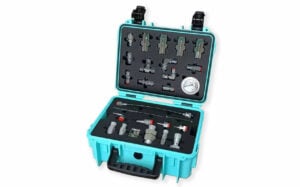
  4. Pressure Testing Kit – Testing the system after its completion in order to detect any issues is a must. This kit needs to include reliable gauges suitable to turn from low to high pressure and vice verse.
  5. Soft-Jaw Vise – It is to sit the components properly and steady free of damage to the surfaces of the M16x2 fittings.
  6. Inspection Tools – This includes calipers and wire mandrels used to examine the male bolting section to ensure that there has been no dimensional variation before fixing the coupling.
  7. Safety Equipment – It is mandatory requirements, during training or implementation of work procedures, that ensure that everyone should put on hand gloves, eye protection, and any other suitable clothing to protect against splashed fluid or broken parts.
  8. Clean Cloths and Cleaning Agents – Use this when a coupling or it accommodation needs to be rid of dirt, grease, or another foreign matter prior to fixing. Lowering the risk of functional problems always starts with a clean workspace.

For M16x2 test fluid links, there are specific tools to use and activities to observe that reduce the risk of leakage or failure, even under high pressure.

Common Installation Mistakes to Avoid

  1. Insufficient Cleaning of Components
    Before the M16x2 couplings and its surroundings are installed, it is advisable to conduct a thorough cleaning procedure on the test couplings so as to curb contamination from finding its way into the system. This in probability terms, may be equal to seals, gasket leaks, bearing or gear wear and can affect the system in a way beneficial for high-pressure systems. Also one should use appropriate cleaner and lint-free cloth to make the whole area clean and minimize possible contamination.
  2. Incorrect Torque Application
    One should note that over-clamping in any direction can only degrade the functions of the connection. Over-tightening can have its drawbacks, for instance, possible tearing and twisting of the helical structure of the fastener, but also under-tightening could lead to leakages and disconnections. At all times, ensure that a calibrated torque wrench is used for proper installation as per manufacturer’s instructions.
  3. Using Non-Specification Tools
    It is necessary to eschew the application of unsuitable equipment, such as not well-aligned pliers or wrenches. This interferes with surface unfolding and engaging of the female and male components resulting in thread wear and eventual deficiency of the complex after assembly. Make sure all the tools that are in use meet the necessary limits that have been set by the manufacturer’s instructions.
  4. Overlooking Seal Integrity
    O-rings and their kind are one integral functionalities that we have for preventing leakage instances. In case you fail to perform inspection on these components with respect to surface condition or orientation prior to their assembly is could result into failure of the system. Dismantle and replace all the defective rings in the designated areas making sure that they are put in properly in order to complete the binding.
  5. Installation in Contaminated Environments
    Lining up the fittings can cause a problem in the event if the location is heavily contaminated and contains dust, oil and other fluids. Practice and observe cleanliness rigorously and separate the work areas to exclude any opportunities for dirt or other contaminants that could affect the caring out of the facilities.
  6. Ignoring Manufacturer Specifications
    Neglecting the technical requirements stipulated by the shaft coupling manufacturer such as the pressure tolerances, compatibility of materials, and the various alignment tolerances can weaken or incorrectly enable the performance of the system. Technical reference should be made for the installation of any component, as operational guidelines should be compiled with.

Maintenance Best Practices for M16x2 Test Couplings

  1. Regular Inspection
    Survey all coupling surfaces and check thoroughly for wear and lubrication. It is recommended to prevent breakdowns while the mechanisms are running.
  2. Proper Cleaning
    Use lint-free cloth soaked in recommended materials for the application to clean the couplings properly. It is crucial that no contamination is accumulated in the sealing.
  3. Thread Lubrication
    There is a producer endosed spacial lubricant which one may drop over the screws to facilitate their rotation and minimize the wear of the liqueurs while screwing or unscrewing the components.
  4. Torque Validation
    After cleaning and attaching the element, make sure that the locknut fitting or plain nuts are tightened to a particular torque setting to avoid an excess tension or an insufficient tension torque from them running into the operational matters.
  5. Seal Inspection and Replacement
    Regularly assess the integrity of the O-ring or other gasket material and if worn out or misplaced, it is advisable to substitute in order to sustain a watertight link.
  6. Storage and Handling
    Make sure that couplings are clean, moisture-free, and not physically damaged, component performance may be degraded during testing.

Regular Inspection and Testing Procedures

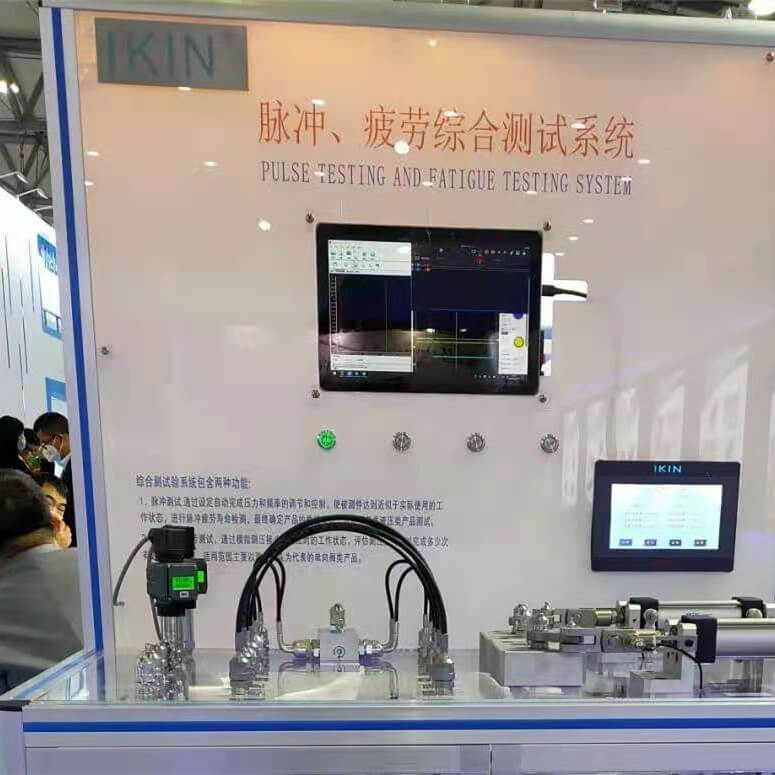
The periodical check of all the tested M16x2 couplings aimed at boosting the efficiency and safety of their service is indeed necessary. Examine the whole body of the coupling in case the metallic parts have been struck with severe corrosion, deep cracks, or any surface imperfections that might weaken the load bearing capacity. Watch the sections that contain the threading as any damage or over tightening of them can also cause a lack of a connection between the two ends as likely as equipment breakdown. On the sidelines, think about reviewing other components, e.g., gaskets and o-rings, to establish that the equipment under repair is not made up of any worn or broken parts, and such a gasket will not leak, even if hydro tested. It is recommended to carry out functional tests in addition to examining the visual aspect to verify the reliability of M16x2 test couplings. The purpose of the testing method is to check the components by providing a certain pressure to the coupling assembly in a monitored environment for the observation of leaks, pressure variations or deviations from the designed operational characteristics. Some of these tests are pressure and fatigue tests where pressure is applied to the coupling followed by the application of frequency for these to be categorized as dynamic performance tests.

Cleaning and Preservation Techniques for M16x2 Test Couplings

In order to retain both the form and the essence of the M16x2 test couplings, the need to adopt a rather sophisticated system for maintaining cleanliness remains. Cleaning first of all presumes such a simple step as the cleaning from, say, harsh from grease, dirt, or impurities by the means of a special cloth which does not leave fibers and which is moistened with the appropriate solution that can be used in such an environment, which is such in this case as propylene glycol or any other emulsifier vwich meets the appropriate industial requirements.

To protected your M16x2 test joints, their storage needs certain environmental conditions strictly observed. To prevent corrosion, it should be noted that the couplings should be treated with an anti-corrosion agent in the form of a thin lubricant oil or inhibitor film, particularly whereay components are likely to remain at rest over long periods of time. It would be costly to maintain humidity levels below 50% in most environments but these problems could be offset by locating the joints in a controlled state of about 50% of dryness and helped by frequent indoor inspections.

Identifying Wear and Tear in Couplings for M16x2 Test Couplings

Regular visual checks need to be performed in inspecting the M16x2 test couplings for any wear and damage, especially focusing on the key areas that are subjected to stresses and that are prone to degradation. Look at the outer surface of the couplings to see if there is any rust, corrosion, evidence of pittings or marks— all symptoms of exposing to chemical and/or condensed water. Thoroughly inspect the threads for any distortion, chipping, or rounding since damaged threads could weaken the joint and render it inoperative. Additionally, be on the lookout for cracks or fine lines on the devices close to the areas of great tension, as these can be potential ways out in preventing ultimate failure. Away from visual tests, other important procedures are critical during the investigation of subtle or hidden damages that may not be instantly seen. Applying its working pressure to the coupling can uncover any leakage or weaken sealing performance, both of which indication of the O-rings or the sealing surfaces being worn. Use of calipers or tools for the measurement of surfaces and threads is known as dimensional analysis and enables the evaluation of certain dimensions to the very exactness otherwise unattainable. This in return, preserves the compatibility and mechanical functions of the coupling.

Reference Sources

  1. ResearchGateInnovative Powder Delivery System for SLM
  2. DiVA PortalA fatigue investigation in a Kaplan hydropower station operated in frequency regulating mode
  3. Hydraulischer Testpunkt

Frequently Asked Questions (FAQs)

What is an M16x2 test coupling and how does it differ from other coupling types?

The M16 x 2 test cock is a thread adapter that is designed to connect measuring devices with a complete thread M16 x 2 with test systems that require pressure or gas flow levels check. It is distinct from other coupling constructions such as NPT or BSP in that it uses a metric thread pitch and diameter, thereby ensuring that the mechanical fit complements the selected fitting. Within this set of considerations, the properties of the materials, the pitch and other determining factors, and whether a tight seal is necessary – an o-ring or PTFE tape, may need to be furnished on the contact face of this coupling, should be studied in accordance with this approach.

How do I install an M16x2 test coupling safely and correctly?

Start by checking the threads with a caliper, make sure to do a thorough cleaning of both the components to remove dirt or old adhesives before installation. Require the bolt tightening to be done by hand so that it will not mess the threads for the coupling apart later, and afterwards use a wrench or torque lever at the required levels of tightness specified by the manufacturer; do not even think of over-tightening it due to cutting the thread. Seals from an O-ring, pipe thread sealant or thread sealing compound or PTFE tape will be recommended if necessary to fill the space in the figures so as to prevent leakages once extended to final length.

What tools are needed to test an M16x2 coupling and calibrate test equipment?

Basics that must be observed would include a calibrated pressure gauge, a torque wrench, a set of spanners, a leak detection solution, and thread gauges intended for checking whether the diameter and the pitch are within specified tolerances. Testing activities should always come together with verification of the proper operability and accuracy of each device, line quality standard, and relevance arranged and applied correctly, particularly if records are concerned. Air test assembly may require the usage of an additional tools, such as inner hexagon sockets and hose connections. Make sure that all equipment is serviced and well-calibrated.

How can I perform a pressure leak test on an M16x2 test coupling?

Fasten the connector and the test port together with a good creep resistance, connect a pressure source, and start increasing the system pressure slowly while continuously checking the position of the gauge. While threading joints and seals first of all threads, there exists a probability of penetration of gas traps. Use an intention solution, or an electrostatic field position to identify where any villainous bubbles or gas altogether, as this shall serve as a pointer to where the menace is. Once the specified pressure is applied, hold there for the recommended time period as per the procedure, and once the due time elapses, slowly depressurize and confirm that the hose has not suffered any leaks or damage.

What are common failure modes for M16x2 test couplings and how do I troubleshoot them?

Possible issues are issues with cross-threads, deteriorated, clasped, or broken threads, inadequate or incompetent sealing that results to seepages and rust caused by use of fluids or circumstances that aggravate completion. It is very important however that in order to find out and rectify existing problems it is essential to unfasten and visually check a fastening by using a magnifying glass and tap in a fastening of it, if necessary a gauge, remove old elastics, and install new ones, do not forget to clarify about elastomers or adhesives to not exacerbate the problem.

How do I choose the right material and compatibility for an M16x2 test coupling?

In accordance with operating temperature, pressure, the type and properties of the involved fluids, and environmental factors, use certain materials, like brass, stainless steel, and sometimes aluminum, for low-weight utilization. Stainless steel is recommended as an alternative to brass for occasions involving high pressure and exposure to any corrosive conditions, as it has better resistance to fracture and wear than brass. Ensure that the chemical is compatible with the liquid and protect the envisaged part with coatings or other protective methods.

How to Avoid Middlemen and Find Quality Pressure Test Fitting / Pressure Test Hose Manufacturers in China​

How to Avoid Middlemen and Find Quality Pressure Test Fitting / Pressure Test Hose Manufacturers in China

In today’s fast-paced industrial environment, finding the right supplier for hydraulic pressure test fittings and hoses is crucial for ensuring system safety, product reliability, and overall cost-effectiveness. Many global buyers often encounter a common dilemma: how to distinguish between actual manufacturers and trading companies in China, and how to avoid unreliable suppliers.

In this comprehensive guide, you’ll learn how to identify and directly connect with high-quality pressure test fitting and hose manufacturers in China while avoiding the pitfalls of dealing with non-technical middlemen. We’ll explore red flags, technical assessment methods, and sourcing strategies that are actionable, proven, and tailored to engineers and purchasing professionals.

1. The Drawbacks of Dealing with Trading Companies

1.1 Lack of Technical Support

Trading companies often act merely as sales channels without having in-house engineering teams or technical knowledge. When you require customized solutions or have unique environmental conditions, they can’t provide tailored recommendations.

1.2 Quality Inconsistencies

Without controlling the production line, middlemen may:

  • Use different quality tiers of products in a single batch.

  • Rely on OEM suppliers with unverified production standards.

  • Change raw materials based on pricing fluctuations, leading to batch inconsistency.

1.3 Poor After-Sales Service

Trading companies don’t stock parts and can’t provide fast technical feedback or onsite troubleshooting. This increases downtime and delays problem resolution, especially in mission-critical systems.

2. Key Indicators of a Real Manufacturer

To source like a pro, assess potential suppliers based on these six critical dimensions:

2.1 R&D Capability


  • Ask for design blueprints and 3+ utility patents.

  • Check if the company has recent technical upgrades, e.g., improvements in zero-leak sealing or anti-corrosion coating.


2.2 Production Infrastructure

Look for:

  • Essential equipment: CNC machines, automatic assembly lines, salt spray test chambers.

  • Workshop management: Clear raw material zoning, full process tracking, and QC logs for key stages like heat treatment and plating.

2.3 Quality Inspection Standards


  • Ask for third-party lab reports, focusing on:

    • Pulse fatigue tests (≥500,000 cycles).

    • Salt spray testing (≥500 hours).

  • Check whether the factory uses 100% inspection or sampling, and how they control outgoing quality.


2.4 Industry Certifications

Credible manufacturers usually hold:

  • ISO9001 / ISO14001 certifications.

  • Application-specific approvals such as:

    • API 6A (oilfield use),

    • EN ISO 15848 (valve sealing),

    • Marine Classification Society Certificates.

2.5 Case Studies & Customer References

Request:

  • At least 3 project case studies with:

    • End-user names,

    • Detailed operating conditions,

    • Runtime stats.

  • Supplier letters from OEMs or equipment integrators.

2.6 After-Sales Response Standards


  • Manufacturers should promise 72-hour onsite support.

  • Review:

    • Spare parts inventory,

    • Historic service records,

    • Technical training offerings.


3. Hands-On Sourcing: Practical Steps

3.1 Use Smart Online Search Techniques

Avoid relying solely on Alibaba. Try targeted Google searches:

  • "Pressure test fitting OEM manufacturer" + China

  • "Pressure test hose factory R&D" + China

Also, explore industry-specific directories and forums.

3.2 Three-Step Online Verification


  • Quote Comparison
    Ask detailed technical questions during quotation. Genuine factories provide prompt and knowledgeable answers.

  • Request Factory Walkthrough Videos
    Ask for real production line videos, or set up a live video tour to verify:

    • Actual machines used,

    • Data logs and SOPs,

    • Key processes like crimping or sealing.

  • Ask Technical Deep Dive Questions
    Examples:

    • “How do you ensure zero leakage?”

    • “What makes your cone-seal fittings superior to others?”
      Evasive or generic answers are red flags.


4. Red Flags and How to Spot Fake Factories

4.1 Product Range That Doesn’t Make Sense


  • If the catalog includes too many unrelated product lines, it’s likely a trading company.

  • True hydraulic specialists focus on a narrow, expert-level product range.


4.2 Unrealistic Visuals

PS-ed factory images or inconsistencies between promotional material and live video tours are major warnings.

4.3 Communication Delays

Hesitating to schedule video meetings or delaying responses to technical queries is typical of unprepared middlemen.

4.4 Technical Avoidance

If they:

  • Avoid key performance questions,

  • Take days to reply to standard engineering queries,

  • Refuse to share batch QC data,
    you’re likely not speaking to the actual factory.

5. Pro Tips to Verify Real Manufacturers


  • Test them with 3–5 deep technical questions. Real factories love to talk shop.

  • Ask for production batch records and QC validation reports.

  • Require proof of in-house testing equipment, like:

    • Pressure cycle testers,

    • Salt spray chambers,

    • Burst test rigs.


6. Practical Contract Tips to Lock in Quality

6.1 Add Material Traceability Clauses

Require material certificates and origin info.

6.2 Freeze Critical Specs

Include process freezing clauses so design specs can’t be changed without approval.

6.3 Set Warranty-Based Payments

Recommended payment terms:

  • 30% deposit,

  • 60% post-inspection,

  • 10% after warranty period (quality retention).

Avoid:

  • 100% prepayment, especially for first orders.

  • L/Cs with overly long terms (over 60 days).

7. Real-World Success Story

A construction equipment OEM faced frequent failures with third-party sourced pressure test hoses. After following the step-by-step vetting process above, they:

  • Identified three qualified manufacturers,

  • Conducted live video audits,

  • Evaluated pulse test results and CAD drawings,

  • Locked contracts with process freezing and warranty retention.

Outcome:

  • Reduced product cost by 22%,

  • Decreased product failure rate from 5% to 0.3%,

  • Received free technical training and reliable after-sales support.

8. Summary and Final Thoughts

Navigating China’s industrial supply chain can be tricky — especially when you’re trying to filter out middlemen and identify reliable pressure test fitting and hose manufacturers. However, by following a structured, data-driven approach based on technical validation, visual factory checks, and contractual protections, you can confidently build a resilient and transparent supplier base.

Key takeaways:

  • Don’t rely on websites or flashy catalogs — insist on technical proofs.

  • Use live factory tours, inspection data, and real-world case studies.

  • Demand post-sale support structures and clearly defined warranties.

By investing time upfront in supplier due diligence, you’ll protect your equipment, cut costs, and unlock long-term sourcing success.

Let me know if you’d like to convert this into a downloadable PDF or add visuals like checklists, comparison tables, or technical diagrams to make it even more actionable.

How to operate hydraulic test fittings safely?

How to operate hydraulic test fittings safely?

      Hydraulic test fittings are essential components in hydraulic systems, widely utilized in fields such as construction machinery, industrial equipment, aerospace, automotive manufacturing, and oil and gas. 

      Their primary role is to measure and monitor system pressure, ensuring stable operation and safety. However, improper use or poor maintenance can lead to system failures and potentially severe safety incidents.

      Therefore, mastering the safe operation guidelines for pressure measuring joints is crucial. This paper delves into the correct operation and maintenance practices for pressure measurement joints to ensure their safety and reliability in practical applications.

Hydraulische Prüfanschlussarmaturen

1. Basic structure and operation principle of pressure-measuring connectors

      A pressure measuring fitting typically comprises a body, seals, and connecting components. Its function is to detect pressure fluctuations within a hydraulic system, delivering real-time data that allows operators to monitor and adjust the system’s performance accordingly. Hydraulic test fittings are engineered for optimal tightness and stability in high-pressure environments, effectively preventing fluid leaks and potential system failures.

2. Basic principles of safe operation

2.1 Knowledge of equipment

      Before operating a pressure measuring fitting, it’s essential to thoroughly understand its structure, working principles, and operating instructions. Familiarize yourself with the equipment’s performance parameters, including maximum working pressure, temperature range, and suitable media. This knowledge ensures that the equipment operates within its design limits, preventing any operational issues.

2.2 Wear appropriate protective equipment

      Always utilize suitable protective equipment, such as gloves, goggles, and protective clothing, when operating pressure-measuring fittings. This gear is crucial for preventing injuries from high-pressure fluid leaks and ensures operator safety.

2.3 Checking the status of equipment

      Before operation, thoroughly inspect the condition of the pressure measuring fitting to ensure there are no signs of damage or wear. Pay special attention to the seals, which must be intact to prevent leaks. Additionally, check the connecting parts for tightness to ensure a secure and reliable connection.

manufacturer of hose assembly and fittings/IKIN

3. Safe practices for installation and dismantling

3.1 Installation of hydraulic test fittings

-Selecting an Appropriate Location: Choose a suitable spot within the hydraulic system for installation to ensure the measurement point accurately reflects the system’s operating pressure.

– Cleaning Connecting Parts: Prior to installation, thoroughly clean both the pressure measuring fitting and the system’s connecting parts to remove any impurities or contaminants that might compromise the seal.

– Using the Right Tools: Employ the correct tools for installation and avoid applying excessive force to prevent damage to the fittings or connecting components. Adhere to the equipment manufacturer’s installation instructions to ensure proper setup.

3.2 Disassembly of hydraulic test fittings

– Pressure Relief: Before removing the pressure measurement fitting, ensure that the system is fully depressurized to eliminate any residual pressure and prevent injuries from fluid discharge.

– Equipment Protection: During disassembly, carefully protect the pressure measurement fittings and connecting parts from impacts and damage. After removal, store the connectors properly to prevent contamination and damage.

4. Safety precautions in operation

      Monitoring System Pressure: During operation, continuously monitor the system pressure in real-time to ensure it remains within a safe range. Avoid overpressure conditions to prevent damage to the pressure measuring fitting and the hydraulic system.

      Avoiding Sudden Pressure Changes: Prevent sudden pressure changes during operation to avoid shocks to the pressure measuring fitting and the hydraulic system. Adjust the system pressure gradually to ensure a smooth transition.

      Compliance with Operating Procedures: Adhere strictly to the operating procedures and avoid unauthorized actions. If any abnormal conditions arise during operation, stop immediately, identify the cause, and address it to ensure system safety.

hydraulic hose fittings manufacturers in China

5. Safe practices for maintenance and upkeep

5.1 Regular inspection and maintenance

– Inspection of seals: Regularly inspect the seals of the pressure measuring joints, and replace them in time if they are found to be aged or damaged. Select high-performance sealing materials to improve the sealing effect and service life.

– Cleaning the equipment: Clean the pressure measurement fitting regularly to prevent dust, impurities and corrosive substances from entering the inside of the fitting. Use appropriate cleaning agents and tools to ensure that both the inside and outside of the fitting are kept clean.

5.2 Lubrication and fastening

– Lubrication: For pressure-measuring fittings that require frequent operation, lubricate regularly to reduce wear and operating resistance. Select a suitable lubricant and avoid lubricants that are harmful to the sealing material.

– TIGHTENING: Periodically check the tightness of the joints to ensure that they are securely connected. For loose joints, tighten them with appropriate tools to prevent leakage and system instability.

5.3 RAM

– Maintenance records: Detailed records of each maintenance and servicing, including inspection items, problems found and treatment measures. Through the maintenance records, the history of equipment use can be traced, potential problems can be found and dealt with in a timely manner.

– File management: Establish a file management system for the pressure measuring joints, keep the technical data, operation instructions and maintenance records of the equipment, etc., so as to facilitate the daily management and maintenance.

6. Emergency response measures

Regular Inspection and Maintenance:

  • Seal Inspection: Regularly examine the seals of pressure measuring joints and promptly replace any that are aged or damaged. Use high-performance sealing materials to enhance sealing effectiveness and extend service life.
  • Equipment Cleaning: Routinely clean the pressure measuring fitting to prevent dust, impurities, and corrosive substances from entering. Use appropriate cleaning agents and tools to ensure both the interior and exterior of the fitting remain clean.

Lubrication and Fastening:

  • Lubrication: For pressure measuring fittings that require frequent operation, lubricate regularly to minimize wear and operational resistance. Choose a suitable lubricant and avoid those that could harm the sealing material.
  • Tightening: Periodically check the tightness of the joints to ensure secure connections. Use appropriate tools to tighten any loose joints, preventing leaks and system instability.

Record and Maintenance (RAM):

  • Maintenance Records: Keep detailed records of each maintenance session, including inspection items, identified issues, and corrective actions taken. These records help trace the equipment’s usage history and identify potential problems early.
  • File Management: Establish a file management system for pressure measuring joints, maintaining technical data, operation instructions, and maintenance records. This system facilitates daily management and maintenance activities.

7. Case studies

Case 1: Safe Operation of hydraulic test fittings in a Chemical Plant

      In a chemical plant, numerous hydraulic test fittings were utilized within the hydraulic system. An incident occurred when an operator failed to perform the necessary pressure relief operation, resulting in a high-pressure liquid spray during disassembly and causing injury.

      Following an investigation, the chemical plant developed detailed operating procedures and provided comprehensive training to the operators. These measures significantly improved the operational safety of the pressure measuring joints and prevented similar incidents from occurring.

Case 2: Maintenance of pressure-measuring fittings at a manufacturing company

      A manufacturing company employed high-pressure hydraulic test fittings in its hydraulic press equipment. Due to neglect in timely maintenance and repair, the seals of the pressure-measuring fittings deteriorated and became damaged, leading to system leaks.

      To address the issue, the company took the following actions: replaced all deteriorated seals with high-performance sealing materials; regularly inspected and cleaned the pressure-measuring fittings to ensure optimal condition; and trained operators to enhance their maintenance and operation skills. These measures effectively resolved the leakage problem and improved both the operational efficiency and safety of the equipment.

      Hydraulic test fittings are crucial components in hydraulic systems, and their safe operation and maintenance are directly linked to the stability and safety of the system. By understanding the equipment’s structure, wearing appropriate protective gear, checking the equipment’s condition, installing and removing it correctly, monitoring system pressure, avoiding sudden pressure changes, adhering to operating procedures, conducting regular inspections and maintenance, maintaining thorough records and files, and implementing emergency response measures, you can ensure the safety and reliability of pressure-testing fittings in practical applications.

      Real-world case studies demonstrate that following scientific operation and maintenance protocols not only enhances the service life and performance of pressure measuring joints but also effectively prevents safety incidents. Therefore, attention to the safe operation specifications of pressure measuring joints is essential for ensuring the stable operation of hydraulic systems and the safety of operators.

Common problems and solutions during pressure testing

Druckprüfkupplung Hersteller

Common problems and solutions during pressure testing

     Pressure testing is essential for ensuring the proper operation and safety of hydraulic systems and equipment. It helps detect weaknesses, verify design pressures, and identify potential leaks within the system.

      However, various issues may arise during pressure testing. If these problems are not addressed promptly and effectively, they can affect test results and even jeopardize system safety.

      This article provides an in-depth analysis of common problems encountered during pressure testing and offers practical solutions. We will also discuss these issues through real-world examples. By offering detailed analysis and discussion, this article aims to provide practical guidance to ensure the stability and safety of hydraulic systems.

**1. Common problems during pressure testing**

**1.1 Leakage**

      Leaks are among the most common issues encountered during pressure testing. They can occur at system connections, seals, or along piping. The causes of leaks are varied and may include deteriorated seals, improper installation, or defective materials.

**Solutions:**

      Inspection and Replacement of Seals: Regularly inspect the condition of seals. Any seals that are deteriorated or damaged should be promptly replaced to prevent potential leakage.

      Correct Installation: Ensure that all connections and piping are installed correctly, using appropriate methods and tools. Proper tightening and sealing of each component are essential to prevent leaks.

      Material Selection: Choose materials that are corrosion-resistant and capable of withstanding high pressures. Selecting the right materials for the system’s working environment enhances the overall reliability of the system.

      By implementing these solutions, the likelihood of leaks can be significantly reduced, ensuring the integrity and safety of the hydraulic system during pressure testing.


Anschlüsse für hydraulische Prüfpunkte

**1.2 Pressure fluctuations**

      Pressure fluctuation refers to unstable pressure during testing, which can be caused by poor system design, unstable pressure sources, or equipment failure.

**Solutions:**

      Optimized System Design: Ensure that the system is well-designed to prevent sudden changes in pressure. A robust design minimizes the likelihood of pressure fluctuations and significantly reduces associated problems.

      Stable Pressure Source: Utilize a reliable pressure source that can provide continuous and stable pressure, ensuring the system operates normally and efficiently.

      Equipment Maintenance: Conduct regular inspections and maintenance of pressure source equipment. Timely identification and resolution of potential issues are crucial to maintaining optimal working conditions and preventing pressure instability.

      Implementing these solutions will help stabilize pressure during testing, ensuring the system’s reliability and accuracy.

**1.3 Inaccurate meter readings**

      During pressure testing, inaccurate meter readings can compromise the accuracy of the test results. This issue may arise due to improper calibration of the gauge, incorrect mounting position, or gauge malfunction.

**Solutions:**

      Periodic Calibration of Meters: Calibrate the meters at regular intervals to maintain accurate readings and ensure the reliability of the test data.

      Select an Appropriate Mounting Location: Install the meter in a suitable location that minimizes vibration and interference, which can affect the accuracy of the readings.

      Replacement of Malfunctioning Meters: Promptly replace any malfunctioning meters to maintain the accuracy and integrity of the test results.

      By addressing these factors, the accuracy of meter readings can be ensured, thereby enhancing the reliability of the pressure test outcomes.

Hersteller von HYDRAULIK-Prüfpunkten

**1.4 Temperature effects**

      Temperature variations can significantly impact pressure test results, particularly in extreme high or low-temperature environments. These fluctuations can cause materials to expand or contract, affecting the system’s sealing and pressure stability.

**Solutions:**

      Selection of Temperature-Resistant Materials: Choose materials that are resistant to temperature changes based on the system’s working environment. This ensures that the system maintains stable performance under extreme temperature conditions.

      Implement Temperature Compensation Mechanism: Introduce a temperature compensation mechanism during testing to minimize the impact of temperature fluctuations on the results. This helps ensure the accuracy and reliability of the pressure tests.

      By addressing temperature-related issues, the stability and accuracy of pressure test results can be significantly improved.

**1.5 Connectivity issues**

      Connection problems are a common challenge during pressure testing, often caused by mismatched fitting types, improper installation, or loose connections.

**Solutions:**

      Selecting the Appropriate Fitting Type: Choose fittings that are compatible with the system design and suitable for the working environment to ensure proper matching with the rest of the system.

Correct Installation of Fittings: Follow standard methods and procedures for installing fittings to ensure a secure and reliable connection.

      Regular Inspection and Tightening: Conduct periodic inspections of connection points and promptly tighten any loose parts to maintain a solid and dependable connection.

      By addressing these connection issues, the reliability and effectiveness of pressure testing can be significantly enhanced.

**2. Solutions for pressure testing**

**2.1 Development of a Detailed Test Plan**

      Before conducting a pressure test, it is crucial to develop a comprehensive test plan that outlines the purpose, scope, methodology, steps, and expected outcomes. A detailed test plan helps clarify the objectives and ensures that the testing process is systematic and organized.

**2.2 Use of High-Quality Test Equipment**

      Using high-quality test equipment is essential for obtaining accurate and reliable results. Select certified and calibrated equipment, and ensure that it is in optimal working condition before use.

**2.3 Training and Education**

      Provide thorough training and education for operators to equip them with the necessary knowledge and skills for pressure testing. Training should cover the use of test equipment, execution of test procedures, and identification and resolution of common issues.

**2.4 Recording and Analysis**

      During the pressure test, meticulously record all data and results, including pressure, temperature, time, and environmental conditions. Analyzing this data helps identify potential problems and implement timely corrective measures.

**2.5 Development of Contingency Plans**

      Develop a comprehensive contingency plan to address any emergencies that may arise during the testing process. The plan should include procedures for handling leaks, equipment failures, and safety measures to ensure the testing process remains safe and efficient.

      By implementing these strategies, the reliability and accuracy of pressure testing can be significantly enhanced, ensuring the safe and effective operation of hydraulic systems.

**3. Case Studies**

**Case 1: Pressure Testing in a Chemical Plant**

      During the pressure testing of a new piping system at a chemical plant, multiple leaks were detected. Upon investigation, it was determined that the primary causes of the leaks were aging seals and improper installation. To address these issues, the chemical plant implemented the following measures:

      – Replaced all deteriorated seals with corrosion-resistant, high-performance sealing materials to enhance durability and reliability.

      – Conducted a thorough inspection and tightening of all connections to ensure that the installation complied with relevant codes and standards.

      – Provided comprehensive training to operators to enhance their installation and operational skills.

      By taking these steps, the chemical plant effectively resolved the leakage issues and ensured the safety and stability of the piping system.

**Case II: Pressure Testing in a Pharmaceutical Company**

      During a pressure test of the hydraulic system at a pharmaceutical company, significant pressure fluctuations were detected. Analysis revealed that these fluctuations were caused by an unstable pressure source and poor system design. To address these issues, the pharmaceutical company implemented the following measures:

      – Replaced the existing pressure source with more stable equipment to ensure a continuous and stable pressure supply.

      –  Redesigned the hydraulic system, optimizing the piping layout and connections to enhance overall system stability.

      – Introduced an automated control system to monitor and regulate pressure in real-time, ensuring consistent system pressure.

      By implementing these measures, the pharmaceutical company successfully resolved the issue of pressure fluctuations, significantly improving the operational efficiency and stability of the hydraulic system.

**Case IV: Pressure Testing at an Aerospace Company**

      During pressure testing of an aircraft hydraulic system at an aerospace company, significant effects of temperature variations on the test results were observed. Analysis determined that these temperature changes caused material expansion and contraction, which impacted the system’s sealing and pressure stability. To address this issue, the aerospace company implemented the following measures:

      – Selected temperature-resistant materials suitable for both high and low-temperature environments to ensure stable performance despite temperature fluctuations.

      – Introduced a temperature compensation mechanism during the testing process to adjust system parameters in real-time, ensuring the accuracy of the test results.

      – Controlled the test environment to minimize the impact of temperature variations on the testing process.

      By adopting these measures, the aerospace company successfully mitigated the issues caused by temperature variations, significantly enhancing the accuracy and reliability of the pressure tests.

**Case V: Pressure Testing in a Shipping Company**

      During a pressure test of a ship’s hydraulic system at a shipping company, issues were identified at multiple joints. Inspection revealed that these problems were due to mismatched joint types and improper installation. To resolve these issues, the shipping company implemented the following measures:

      – Selected appropriate fittings that were compatible with the system, ensuring they matched the rest of the hydraulic components.

      – Reinstalled the connectors following correct methods and procedures to guarantee a secure and reliable connection.

      – Conducted thorough inspections and tightened all connections to ensure system stability and safety.

      By taking these steps, the shipping company successfully addressed the connection issues, ensuring the normal operation and reliability of the ship’s hydraulic system.

      Pressure testing is a vital procedure for ensuring the proper functioning and safety of hydraulic systems and equipment. During testing, issues such as leaks, pressure fluctuations, inaccurate gauge readings, temperature effects, and connection problems can arise. These challenges can be effectively managed through the implementation of detailed test plans, the use of high-quality testing equipment, comprehensive operator training, meticulous recording and analysis of test data, and robust contingency plans. These measures ensure the accuracy and reliability of pressure tests.

      Analyzing real-world cases demonstrates that scientific pressure testing methods and strategies not only address issues encountered during testing but also enhance the operational efficiency and safety of hydraulic systems. Therefore, focusing on the identification and resolution of problems during the pressure testing process is crucial for maintaining the stable operation of hydraulic systems.

Hydraulic Pressure Fittings Applied in Various Industries

pressure test fittings

Hydraulic Pressure Fittings Applied in Various Industries

    Pressure measuring fittings are essential hydraulic components. They monitor pressure in hydraulic systems to ensure safety and stability. These fittings are used in many industries, including construction, industrial equipment, aerospace, automotive manufacturing, and oil & gas. Each industry has different performance requirements.

    The performance requirements for pressure measuring fittings differ across industries. Specific examples demonstrate the practical importance of these fittings.

    In this article, we will explore how pressure-measuring fittings are used across various industries. We’ll analyze their key roles and impacts through specific case studies.

IKIN-Prüfkupplungen für Hydraulikventile 6

1. In the field of construction machinery

    In the construction machinery industry, pressure measuring fittings are indispensable components. Equipment such as excavators, bulldozers, and loaders must endure harsh environments for extended periods, demanding highly reliable hydraulic systems.

    Pressure measuring fittings play a critical role by continuously monitoring hydraulic system pressure in real time. This real-time monitoring ensures that the equipment operates within the optimal pressure range, thereby enhancing reliability, preventing system failures, and maintaining peak performance and safety.

    Excavators, bulldozers, loaders, and similar equipment often operate in harsh environments for prolonged periods. This demanding usage necessitates exceptional reliability in their hydraulic systems. To achieve this, pressure measuring fittings are employed to monitor the hydraulic system’s pressure in real time. These fittings ensure that the equipment operates within the optimal pressure range, thereby preventing potential system failures and maintaining peak performance and safety standards. 

**Case Study: Excavator Application**

    A leading construction machinery company incorporates high-performance pressure measuring fittings in the hydraulic systems of its excavators. Given that excavators are required to function in high-intensity work environments, the pressure resistance and durability of these fittings are crucial.

    These pressure measuring fittings are crafted from the latest high-strength alloy materials and utilize advanced sealing technology. This design enables them to perform reliably for extended periods under high-pressure and high-temperature conditions, effectively preventing leaks and system failures.

    Through regular maintenance and servicing, the company’s excavators have significantly enhanced their operational efficiency and safety. The robust construction of these fittings ensures that the hydraulic systems remain reliable, thereby optimizing performance and reducing downtime. This meticulous approach to equipment maintenance has contributed to the company’s reputation for producing durable and efficient machinery capable of withstanding the rigors of demanding construction environments.

2. **Industrial Equipment Sector**

    Industrial equipment such as hydraulic presses, die casting machines, and injection molding machines heavily rely on pressure measuring fittings. These fittings ensure the systems operate smoothly under high pressure and high temperature conditions. They provide accurate pressure data, enabling operators to adjust system parameters in a timely manner. This real-time data optimizes equipment performance and ensures an efficient, stable production process.

**Case Study: Hydraulic Press Application in a Manufacturing Company**

    A manufacturing company has implemented new high-pressure gauge fittings in its hydraulic press equipment. Precise pressure control is essential for hydraulic presses during production, making the accuracy and stability of these fittings crucial.

    By utilizing high-performance pressure measuring fittings, the company has notably enhanced the quality of its hydraulic products. This improvement has led to a significant reduction in scrap rates and an increase in production efficiency. The reliable performance of these fittings ensures that the hydraulic presses maintain consistent pressure control, thereby optimizing the overall manufacturing process and ensuring high-quality output.

    3. **Automobile Manufacturing Sector**

    In the automotive manufacturing sector, hydraulic systems play a crucial role in braking, steering, and suspension systems. Pressure measuring fittings are essential for real-time pressure monitoring in these systems, ensuring the vehicle’s safety performance under various operating conditions.

**Case Study: Braking System Application for an Automobile Manufacturer**

   A renowned automobile manufacturer has integrated intelligent pressure measurement fittings into the braking system of its latest models. These advanced fittings combine a pressure sensor with data transmission capabilities, allowing real-time pressure data to be sent to the vehicle’s electronic control system. This continuous data stream enables the system to dynamically adjust brake pressure, significantly enhancing braking performance and vehicle safety.

    The manufacturer has also conducted extensive testing and validation to ensure these pressure-measuring fittings maintain optimal performance across different climatic conditions and driving environments. This rigorous testing ensures that the fittings provide consistent, reliable data, contributing to a safer and more dependable driving experience for consumers. By incorporating these intelligent fittings, the automaker has improved the overall safety and reliability of its vehicles, reinforcing its commitment to quality and innovation in automotive design.

    4. **Oil and Gas Sector**

    In the oil and gas industry, hydraulic systems must function in complex environments with significant pressure fluctuations and exposure to corrosive media. Pressure measuring fittings are critical in these systems for monitoring the pressure of pipelines and equipment, preventing safety incidents such as leaks and explosions.

**Case Study: High-Pressure Pipeline Application in an Oilfield Project**

    An oilfield project implemented high-pressure gauge fittings within its pipeline system. These fittings, constructed from high-strength alloys and featuring multi-layer seals, are engineered to withstand high-pressure and highly corrosive environments over extended periods. Regular inspections and maintenance have enabled the project team to avert numerous potential leakage incidents, ensuring safe production and environmental compliance.

    Additionally, these pressure measuring fittings are equipped with remote monitoring technology, allowing operators to observe real-time pressure changes in the pipeline from a central control room. This capability ensures that any abnormalities are quickly addressed, significantly enhancing production efficiency and safety management in the oilfield. The integration of these advanced fittings not only ensures the structural integrity of the pipeline system but also supports the overall safety and efficiency of the oilfield operations.

Ikin Testpunkt Schlauchanwendung 1

   5. **Building Construction Sector**

    In the building construction sector, large mechanical equipment such as tower cranes and concrete pump trucks rely on stable hydraulic systems for optimal performance. Pressure measuring fittings are crucial in these hydraulic systems to ensure stability and safety during construction activities5.

**Case Study: Tower Crane Application for a Construction Company**

     A construction company has integrated high-precision pressure measurement fittings into the hydraulic systems of its tower cranes. During construction, tower cranes frequently lift heavy loads, demanding extremely stringent pressure requirements for their hydraulic systems. By employing high-performance pressure measuring fittings, the company has significantly enhanced construction efficiency and safety in large-scale projects.

    These advanced pressure measuring fittings feature the latest self-locking design, ensuring that the fittings remain secure under high pressure and vibration. This innovation greatly improves the reliability and operational safety of construction equipment, enabling the tower cranes to function seamlessly in demanding environments. Consequently, the construction company has achieved higher productivity and reduced risks, reinforcing the importance of utilizing top-tier pressure measuring fittings in critical construction machinery.

6. **Agricultural Machinery Sector**

    In the agricultural machinery sector, equipment such as tractors, harvesters, and planters rely heavily on hydraulic systems. Pressure measuring fittings are essential for monitoring and controlling these hydraulic systems, ensuring the machines’ reliability and efficiency in various farming operations.

**Case Study: Harvester Application for an Agricultural Machinery Company**

    An agricultural machinery company has implemented a new type of pressure measuring connector in the hydraulic system of its latest harvester model. These advanced fittings allow operators to monitor the hydraulic system’s status in real time, enabling timely adjustments and maintenance. As a result, the harvester performs reliably in field operations, reducing mechanical failures and enhancing harvesting efficiency.

    These pressure measuring fittings feature an anti-fouling design that effectively prevents soil and impurities from entering the system. This design keeps the hydraulic system clean and functioning properly, ultimately improving the efficiency and service life of the agricultural machinery.

    By adopting these innovative fittings, the company has ensured that its harvesters deliver optimal performance, contributing to more productive and efficient farming operations.

Ikin Testpunkt Schlauchanwendung 2

7. **Mining Sector**

    The mining industry is highly demanding, and hydraulic systems are crucial for the performance of mining equipment. Pressure measuring fittings are essential for monitoring the hydraulic systems in this sector, ensuring stable operation under high loads, high pressures, and harsh environmental conditions.

**Case Study: Hydraulic Drilling Rig Application for a Mining Company**

    A mining company has integrated high-performance pressure measuring couplings into the hydraulic systems of its drilling rigs. These couplings are made with special wear-resistant materials and a multi-layer sealing structure, allowing them to operate reliably for extended periods under high-pressure and high-vibration conditions.

    Through regular maintenance and real-time monitoring, the company’s hydraulic drilling rigs perform exceptionally well in deep well drilling and ore extraction. This significantly boosts both efficiency and safety. The use of these advanced pressure measuring couplings not only extends the lifespan of the equipment but also reduces downtime caused by equipment failures, thereby improving overall productivity at the mine. By leveraging these robust fittings, the mining company ensures that its drilling operations are more efficient, reliable, and productive.

    The case studies above clearly illustrate the application of pressure measuring fittings across various industrial fields, highlighting their critical role in ensuring the stable operation and safety of hydraulic systems. These fittings help enterprises improve productivity, reduce maintenance costs, and enhance safety.

IKIN Druckprüfpunkt

    As technology continues to advance, the performance and functionality of pressure measuring fittings are also improving. This progress will lead to their application and promotion in even more fields in the future, making significant contributions to industrial development and technological progress.

    By integrating these advanced fittings, industries can look forward to more efficient, reliable, and safe hydraulic systems, driving further innovation and growth.

Pressure Measuring Fittings in Hydraulic Systems: Types, Applications, and Best Practices

we offer test hose&couplings just as minimess

Pressure Measuring Fittings in Hydraulic Systems: Types, Applications, and Best Practices

        Hydraulic systems are essential in modern industry, playing a crucial role in fields such as construction machinery, industrial equipment, aerospace, and automotive manufacturing.

        At the heart of these systems lies the pressure measuring fitting, which is critical for measuring and monitoring system pressure to ensure stability and safety.

In this comprehensive guide, we will explore the various types of pressure measuring fittings, their application scenarios, selection criteria, installation and maintenance procedures, and real-world case studies demonstrating their importance in hydraulic systems.

pressure test fittings

Pressure measuring fittings come in various designs tailored for specific applications, each with unique features:

1. Quick couplings

 ·Characteristics: Designed for rapid connection and disconnection.

 ·Applications: Used in hydraulic systems requiring frequent assembly and disassembly, enhancing efficiency through simple insertion and removal.

Schnellwechsler Hersteller IKIN

2. Threaded joints

   ·Characteristics: Secured by threaded connections, suitable for high-pressure environments.

   ·Applications: Common in systems needing robust connections that can withstand high pressure and vibration.

3. Push-in fittings

 ·Characteristics: Connect via a simple push-in operation.

 ·Applications: Ideal for low and medium pressure systems, though caution is needed in high-pressure environments.

4. Flanged joints

 ·Characteristics: Provide high-strength connections.

 ·Applications: Used in heavy machinery and high-pressure pipelines due to their strong connections and excellent seismic.

5. Welded joints

·Characteristics: Connected by welding, suitable for high-pressure and high-temperature conditions.

·Applications: Preferred in environments demanding high connection strength, despite more complex installation and maintenance.


When selecting a pressure measurement fitting, a number of factors need to be thoroughly evaluated to ensure optimum performance and long-lasting reliability in a particular application. The main factors to consider include the following:


1. Pressure range

 According to the working pressure of the hydraulic system, select the coupling that can withstand the corresponding pressure. Over-pressurization can lead to damage to the couplings and even safety accidents.

   When choosing, you need to carefully check the maximum working pressure of the hydraulic system and the rated pressure of the pressure measurement joints to ensure that the joints can withstand the working pressure of the system.


2. Temperature range

 Hydraulic systems may operate in high or low temperature environments, requiring the selection of fittings with good temperature resistance.

    Pressure gauge fittings made of different materials have different performance in different temperature ranges, and you need to choose the right fittings according to the operating temperature of the hydraulic system.


3. Media type

 According to the medium used in the hydraulic system (such as oil, water, etc.) to select the appropriate joint material to prevent corrosion and media leakage.

   Different media have different requirements for pressure measurement joint materials, such as oil-based hydraulic media suitable for the use of metal joints, while water-based hydraulic media may require the use of corrosion-resistant materials.


4. Connectivity

 According to the design and installation requirements of the system to choose the appropriate connection, such as quick couplings, threaded fittings or push-in fittings. The selection needs to take into account the connection method and operating habits of the hydraulic system to ensure that the fitting is easy to install and use.

In order to ensure that the gauge fitting will operate consistently and efficiently in the hydraulic system for a long period of time, proper installation methods and a systematic maintenance program are essential. Below are some detailed recommendations:

1. Installation steps

   – Ensure that the hydraulic system is fully pressurized before installation.

   – Select the appropriate installation tool according to the type of fitting.

   – Ensure that fittings are clean and free of foreign matter where they connect to the system.

   – Install the fitting correctly according to the product instructions to ensure a good seal.

   – Pressure test after installation to ensure that the joints are leak-free.


2. Maintenance methods

   – Regularly check the sealing of the joints and replace the seals when leaks are detected.

   – Clean fittings regularly to prevent dust and contaminants from entering the system.

   – Regularly lubricate frequently used joints to ensure smooth operation.

   – When used under high pressure or in harsh environments, periodically check the fittings for wear and replace damaged fittings in a timely manner.

IKIN-Prüfkupplungen im Hydrauliksystem 3

In the hydraulic system, the pressure measuring fitting is not only widely used, but also plays a vital role. Through the following case studies of several practical applications, we can have a clearer understanding of the key role and significant results of the pressure measurement joints in various industries.

        #Construction machinery

A major construction machinery company has introduced a new type of pressure measurement joint in its excavator hydraulic system. Made with high-precision sensors and durable materials, the connector provides excellent measurement accuracy and durability.

By using this pressure fitting, the company monitors the hydraulic system pressure in real time to ensure that the equipment operates within the optimal pressure range, improving efficiency and safety.

In addition, the corrosion and pressure resistance of the couplings significantly reduces maintenance costs, extends service life, and improves overall productivity.


#Oil and gas

In the oil and gas industry, a large oilfield project has adopted a high-pressure and corrosion-resistant pressure measuring fitting to monitor the pressure of high-pressure pipelines. The application of this pressure fitting effectively prevents safety incidents such as pipeline leaks and explosions, and improves the safety and productivity of the project.

Installed at key pipeline nodes, these couplings transmit real-time pressure data to the monitoring center, helping operators adjust system parameters in a timely manner to prevent potential hazards.

#Industrial equipment

An industrial equipment manufacturing company has installed a variety of pressure measurement fittings in its hydraulic presses to monitor the pressure of the equipment’s hydraulic system.

Through accurate pressure monitoring and data analysis, the company identified and resolved potential problems in the hydraulic system and made timely adjustments, significantly improving the equipment’s operational stability and service life.

The real-time data provided by the pressure measurement couplings supports predictive maintenance, reduces equipment failure rates and downtime, and improves overall productivity.

Ikin Testpunkt Schlauchanwendung 2

Pressure gauge fittings play a vital role in hydraulic systems, and their proper selection, installation and maintenance are the keys to ensuring the safe and stable operation of hydraulic systems. By understanding the different types of pressure measuring fittings and their application scenarios, and mastering the selection and maintenance methods, the operating efficiency and safety of the hydraulic system can be effectively enhanced.

        We hope this article can help you better understand the basics and practical application scenarios of pressure measuring fittings, as well as grasp the key methods of selection and maintenance. We hope this information will be helpful to hydraulic system engineers and technicians in their work to enhance the performance and reliability of hydraulic systems. If you have any questions or need further guidance, please feel free to contact a professional.

Was ist der Unterschied zu hydraulischen Testkupplungen auf dem Markt?

IKIN FLUID hydraulische Prüfpunktkupplung

Top 3 Hersteller in China

Lieferant für hydraulische Prüfarmaturen

SGS-zugelassen

Wie ist die Struktur des Druckprüfpunkts auf dem Markt?

Obwohl der Drucktestpunkt winzig und unnötig aussieht, ist das hydraulische Testsystem damit viel bequemer. 

1. Funktion des Druckmesspunktes

Der Druckmesspunkt wird hauptsächlich verwendet, um den Druck des Flüssigkeitssystems zu messen, und im Inneren befindet sich ein selbstdichtendes Ventil.

Bei alleiniger Verwendung kann durch die Wirkung der Feder das Austreten des Systemmediums gestoppt werden.

Das selbstdichtende Ventil kann nach Anschluss an den Messschlauch mit Kausche oder Drucksensor geöffnet werden und die Systemdruckparameter können vom Manometer oder Tester angezeigt werden, der zur Systemdruckerkennung, Systemdiagnose und Fehlerdiagnose von Hochdruck- oder Niederdruck-Flüssigkeitssystem.

In einer speziellen Position können Prüfpunktadapter auch für die Medienentnahme im Hydrauliksystem, die Systemdruckentlastung und die Systementlüftung verwendet werden.

2. Klassifizierung von Druckprüfpunkten im Markt

Da der Druckmesspunktanschluss speziell für Druckmessungen und Flüssigkeitsproben mit hoher/niedriger Durchflussrate entwickelt wurde, wurde bei der Konstruktion der Druckbereich vollständig berücksichtigt.

Und je nach Einsatzbereich wurden Prüfpunkte unterschiedlicher Art und Stärke konzipiert, und auch diese Verbinder spielen bei der Arbeit eine unersetzliche Rolle.

Entsprechend der unterschiedlichen internen Struktur kann die Druckprüfpunktstruktur in Kugeldichtung, Kolbendichtung und Kegeldichtung unterteilt werden.

2.1 Aufbau der Kugeldichtung

Die Kugeldichtungs-Druckprüfkupplung besteht hauptsächlich aus einer Stahlkugel und einer Feder.

Der Schub wird durch die Federvorspannung erzeugt, so dass die Stahlkugel dichtend gegen die Passfläche des Ventilkörpers gedrückt wird.

Merkmale der Kugeldichtungsstruktur: eine einfache Struktur, eine Gleitringdichtung, nicht leicht zu altern und hat eine gute Stabilität.

Ein weiteres Merkmal: Die Bearbeitungsgenauigkeit der Kontaktfläche des Ventilkörpers muss hoch sein, die Stahlkugel und der Ventilkörper stehen in Linienkontakt und die Dichtwirkung ist durchschnittlich.

hydraulischer Prüfpunkt-Kugeldichtungsaufbau

Innenaufbau Druckmessstelle mit Kugeldichtung

2.2 Aufbau der Kolbendichtung

Der Kolbendichtungs-Druckprüfpunktadapter besteht hauptsächlich aus einem Kolben, einem O-Ring und einer Feder. Der Dichtring befindet sich in der Kolbennut.

Festhalten am Dichtkegel (Radialdichtung) bzw. Planfläche (Axialdichtung) durch Federvorspannkraft.

innerer Aufbau der Kugeldichtungs-Druckprüfkupplungen

2.3 Konus-Dichtungsstruktur

Die Kegeldichtungs-Druckprüfkupplung besteht aus einem Kegelventileinsatz, einer Kegeldichtung und einer Feder.

Die konische Dichtung und der konische Ventilkern sind unter dem Vordruck der Feder fest mit der konischen Gegenfläche des Ventilkörpers verbunden.

Interner Aufbau des konisch abgedichteten Druckprüfpunktes

Interner Aufbau des kegeldichten Drucktests

Eigenschaften der Kegeldichtung: Der konische Ventilkern und die konische Dichtung arbeiten zusammen, die Dichtung ist Oberflächenkontakt, die Dichtwirkung ist besser und das Gas und die Flüssigkeit sind universell;

Die Feder ist im Ventilkörper integriert und lässt sich nicht leicht lösen; aber die Bearbeitungsgenauigkeit von Ventilkörper und Schieber ist relativ hoch.

Als gängige Ausrüstung in der Industrie sind Flüssigkeitsdruckprüfpunkte bekannt für ihren großen praktischen Bereich und ihre bequemen Anschlüsse und Probenahmen. Besonders wenn das Fluid unter hohem Druck und hoher Durchflussmenge verwendet wird, hat es viele Vorteile und viele Annehmlichkeiten.

Was sind also seine Vorteile:

Vorteil 1: Der Vorgang kann manuell unter Hochdruck abgeschlossen werden

Wenn die Flüssigkeit unter hohem Druck steht und unachtsam vorgegangen wird, kann der höhere Druck leicht dazu führen, dass Flüssigkeit austritt, was zu irreversiblen Prozessunfällen und sogar lebensbedrohlich führen kann.

Der Druckprüfschlauchverbinder berücksichtigt dies jedoch vollständig, sodass der Verbinder einfach mit beiden Händen unter hohem Druck gelöst und geschlossen werden kann.

Vorteil 2: Kleine Struktur

Da Probenahme- und Druckprüfungsorte oft nicht festgelegt sind, muss nach bestimmten Bedingungen und Anforderungen gearbeitet werden.

Daher bringt die kompakte Form großen Komfort in der Trage- und Bedientechnik.

Dann gibt es die Möglichkeit, sich einfach mit dem Messgerät zu verbinden.

Aufgrund seines einzigartigen Zwecks wurde die Verbindung mit dem Instrument vollständig im Design berücksichtigt, so dass die Bedienung einfach ist und die Verbindung fest ist.

3. Zusammenfassung

Der Testpunktadapter ist eine sehr kleine Komponente im Hydrauliksystem, spielt jedoch eine wichtige Rolle bei der Fehlersuche, Prüfung und Diagnose des Hydrauliksystems.

Durch das Manometer oder den Sensor können verschiedene Druckprüfungen ohne Demontage und Montage und ohne Leckage durchgeführt werden.

Eine sinnvolle Einstellung der Druckmesspunktanschlüsse im Hydrauliksystem bringt viel Komfort bei der Fehlersuche, Prüfung und Diagnose.

Um eine gute Anwendungswirkung zu gewährleisten, ist es in der Tat sehr wichtig, ein hochwertiges und zuverlässiges Produkt zu wählen.

Die aktuelle Bewertung des Druckmesspunktes ist sehr gut und das Produktdesign hervorragend.

Neben einer großen Durchflussleistung kann es auch strenge Qualitätsprüfungsstandards gewährleisten, damit die Produkte einen besseren Gebrauchswert haben.

Aus heutiger Sicht werden Druckprüfkupplungen vor allem auch flexibel auf verschiedene Fluidsysteme angewendet.

Die interne Verdrahtung der verschiedenen Fluidsysteme und die Größe der Anschlüsse sind jedoch unterschiedlich, sodass Sie die Durchflusskontrolle im Voraus durchführen müssen, bevor Sie den entsprechenden Druckmesspunkt kaufen.

Wenn die Größe nicht passt, ist es auch eine lästige Sache.

Hydraulische Prüfanschlussarmaturen

Ikin-Fluid

—— Top-3-Hersteller in China, spezialisiert auf hydraulische Testpunkte

Vorteile, die Sie finden können In Ikin

Fabrikpreis und niedriges moq

zuverlässige Qualität, Lieferant für Eaton, Hawee und so weiter

100% Leckageinspektion Bevor Sie fertig sind

3 Jahre Garantie

10 Werktage für Massenversand

passend zu anderen Ausstattungen wie Minimess, Stauff und so weiter

Konusdichtungsdesignstruktur, stabile und lange Lebensdauer

Holen Sie sich Ihre kostenlose Probe

in 2 Tagen

*Wir respektieren Ihre Vertraulichkeit und alle Informationen sind geschützt.

Ikin Fluid nahm an der Bauma China 2020 teil

2020 Bauma China

Rückblick auf die Bauma China 2020 in Shanghai

Am 27. November ging die 4-tägige Bauma China Shanghai 2020 erfolgreich zu Ende.

Trotz der Auswirkungen der Covid-Pandemie sowie vier aufeinanderfolgenden Regentagen ist die Begeisterung der Baumaschinenbranche immer noch nicht aufzuhalten.

2020 Bauma China

Die großen Baumaschinenhersteller zeigten ihr Können und die Kreativität der Veranstaltung dominierte das Publikum.

Angenehm überrascht zeigten sich die Aussteller mit vielen Lichtblicken.

Sanys "Online Bauma Show" wird zu einem neuen IP 23,5 Milliarden unterzeichnete Bestellungen!

Das Debüt des neuen Produkts zeugte von der Stärke des „Trinity Steel Corps“.

  • Neuer Pumpenwagen der C10-Serie mit umfassenden Vorschriften und dem längsten Ausleger
  • Der neue Hundert-Tonnen-Großbagger SY1250H

  • 46 Modelle der neuesten Geräte von Sany von 25 Tonnen bis 800 Tonnen Kränen

  • Unbemannte Straßenwalze ohne Kabine

  • Der weltweit erste Plug-in-Hybrid-Fertiger

  • Die weltweit ersten in Massenproduktion hergestellten Elektrobagger und Dutzende der modernsten Produkte, alle in voller Attacke, verblüffen das Publikum!

Sany Kran

Und das Bild unten zeigt die Testkupplung von IKIN im Sany-Kranhydrauliksystem auf der Bauma.

Das Folgende ist das Live-Shooting am Stand von Sany. Es ist unser IKIN hydraulische Prüfkupplung benutzt auf Sany Kran.

We IKIN FLÜSSIGKEIT sind ernst bei der Konstruktion und Fertigung hydraulisch Prüfung Punkts.

IKIN Prüfkupplungspunkt

XCMG "Steel Corps" Konvergenz voller "chinesischer Weisheit"

Die XCMG Group hat das globale digitale Ersatzteilservice-Informationssystem (XCMG-Global Service System, kurz X-GSS) eingeführt.“

Fördern Sie die digitale, intelligente und unbemannte Transformation und Aufrüstung.

Auch hier wird der IKIN FLUID-Druckprüfpunkt in der XCMG-Stand.

Parker Armaturen Ersatzlieferant

Zoomlion unterzeichnete am ersten Tag über 9 Milliarden RMB, das neue Produkt wurde weltweit am meisten erlebt.

  • Zoomlions weltweit höchste selbstfahrende Hubarbeitsbühne mit geradem Arm ZT68J
  • Zoomlion stellte viele Produkte der „schwarzen Technologie“ aus
  • Neue High-Tech-Produkte von Zoomlion – alle demonstrieren starke F&E- und Innovationsfähigkeiten.

Das folgende Bild zeigt die Anwendung von IKIN-Druckprüfpunkten, aufgenommen am Stand von Zoomlion:

IKIN Druckprüfpunkt

Darüber hinaus finden Sie unten die Druckprüfkupplung, die in vielen anderen Standausstellungen von Kunden verwendet wird.

Hersteller von HYDRAULIK-Prüfpunkten
IKIN-Hydraulikdruckprüfpunkt

Betroffen von der Epidemie ist die Zahl der Kunden, die an der Show teilnehmen, als im 2018-Jahr gesunken, aber viele Kunden kommen immer noch zur Party.

Die von IKIN sorgfältig vorbereiteten professionellen Exponate mit Sinn für Wissenschaft und Technik haben die Aufmerksamkeit vieler Kunden auf sich gezogen.

Stand von IKIN

Prüfmaschine für Druckprüfstelle
IKIN Testpunktadapter
IKIN-Stand auf der Bauma China
Kunden für IKIN-Stand
Hydraulische Prüfanschlussarmaturen
Anschlüsse für hydraulische Prüfpunkte
Testpunkt prüfen drücken
hydraulic test hose&couplings

Welche Arten von Hydraulikschlaucharmaturen und Fehleranalysen gibt es?

Hydraulische Schlaucharmatur mit Banjo-Fitting-Hersteller in China

Top 3 Hersteller in China

Lieferant für Hydraulikprüfpunktschlauch

SGS-zugelassen

Welche Arten von Hydraulikschlauchleitungen und -armaturen gibt es?

Mit der rasanten Entwicklung der chinesischen Baumaschinen ist die Zuverlässigkeit von Hydraulikschlauchleitungen zu einem der am meisten besorgniserregenden Themen in der Branche geworden.

Die Hydraulikschlauchanordnung ist ein Grundelement im Hydraulikgetriebesystem. Die Qualität der Schlauchleitung wirkt sich direkt auf die Leistung des Hydrauliksystems und des Hauptmotors aus. Ein Teil des Versagens der Schlauchleitung beruht auf der Struktur des Verbindungskerns.

Der Schlauchverbindungskern besteht hauptsächlich aus zwei Teilen. Einer ist die Verbindungsstruktur, die hauptsächlich auf SAE-Standards, ISO-Standards und KES-Standards basiert. Der andere Teil ist die Struktur des Crimpteils (Heckstruktur), die mit dem Außenmantel und den inneren und äußeren Gummischichten des Schlauchs abgestimmt ist, um eine zuverlässige Crimpverformung zu bilden, um die Leistung der Schlauchanordnung zu erfüllen.

Wenn die Struktur des Crimpteils des Verbindungskerns bei der Konstruktion verschiedener Schlauchtypen nicht zumutbar ist, treten weitgehend Probleme mit der Produktqualität auf.

Daher sind auch die Arten von (entworfenen) Verbindungskernen, die für Schläuche in verschiedenen Arbeitsumgebungen ausgewählt werden, unterschiedlich, und eine vernünftige Konstruktion kann das Auftreten von Fehlern vermeiden oder verringern.

1. Arten und Eigenschaften von Schlaucharmaturen

In der gesamten Schlauchmontageindustrie gibt es hauptsächlich zwei Arten zuverlässiger Verbindungen zwischen Schlauchverbindungen und Schläuchen: Schlauchverbindungen mit vollem Rückhalt und abnehmbare Schlauchverbindungen.

Die vollständige Crimpverbindung ist ein Vorgang, bei dem das achtteilige Crimpmodul der Crimpmaschine die Schlauchverbindung nach dem Zusammenbau des Verbindungskerns, des Schlauchs und des Außenmantels bis zu einem gewissen Grad gleichmäßig zusammendrückt, so dass die Schlauchverbindung und der Schlauch zu einem Ganzen werden .

Der abnehmbare Schlauchverbinder drückt den Schlauch durch den Verbinderkern mit dem äußeren Kegel und dem Verbinderkern, so dass sich der Schlauch nahe am inneren Kegel der Verbindungshülse befindet und eine Verbindung mit einer größeren Bindungskraft bildet.

1.1 Form und Eigenschaften der Schlauchcrimpung

Die Art des Zurückhaltens des Schlauchs hängt hauptsächlich von der Art des Schlauchs (oder der Größe des inneren und äußeren Gummis) und der Druckumgebung der Schlauchanordnung ab.

Es ist hauptsächlich in drei Kategorien unterteilt: nicht schälendes Gummi-Crimpen, schälendes äußeres Gummi-Crimpen und inneres und äußeres Gummi-Peeling-Crimpen.

Die Eigenschaften jedes Typs sind:

(1) Nicht abblättern und crimpen: Der innere und äußere Gummi des Schlauchs muss nicht abgezogen werden, und das Produkt kann durch Crimpen nach der Installation des Schlauchs vervollständigt werden. Die Verarbeitungstechnologie ist einfach.

Diese Art des Crimpen wird häufig für geflochtene Stahldrahtschläuche mit relativ dünnen äußeren Gummischichten wie den Standards GB / T3683, EN853 und SAE verwendet.

(2) Abisolieren und Crimpen: Es ist erforderlich, die äußere Gummischicht des Schlauchs bis zu einer bestimmten Länge abzustreifen (die äußere Gummischicht ist dicker), um die Stahldrahtverstärkungsschicht besser mit der Zahnnut von in Kontakt zu bringen die Jacke.

Wenn der Mantel unter äußerer Kraft schrumpft und sich verformt, knickt er den Stahldraht fest ein, wodurch verhindert wird, dass sich die Verbindung herauszieht, wenn sie einem Aufprall unter hohem Druck ausgesetzt wird.

Diese Art des Crimpen ist hauptsächlich auf Stahldrahtschläuche wie GB / T10544, EN856 und SAE anwendbar.

(3) Internes und externes Abisolieren und Crimpen von Gummi: Die innere und äußere Gummischicht müssen auf eine bestimmte Länge (die Dicke des inneren und äußeren Gummis) abgestreift werden, die Stahldrahtschicht und die innere Gummischicht werden zu einer Welle extrudiert Form, allgemein geeignet für GB / T10544, EN856-R13, R15 usw. Technische Daten (32 oder mehr einschließlich 32) Ultrahochdruck-Stahldraht-Spiralschlauch.

1.2. Quellenschlauchanschluss

Die Schlauchverbindung mit Quellensteuer besteht hauptsächlich aus dem Verbindungskern, dem Außenmantel (Mutter ist ein optionales Teil) und anderen Teilen.

1) Materialien, Typen und Eigenschaften des Verbindungskerns

Üblicherweise werden für Verbindungskerne 20, 35 und 45 Stähle verwendet. Für gerade Verbindungskerne werden häufig 35 und 45 Stähle verwendet, die eine starke Verformungsbeständigkeit aufweisen. In Anbetracht der Herstellbarkeit von Biegeverbindungskernen werden im Allgemeinen 20 oder 35 Stähle verwendet.

Mit der Verbreitung der Heißbiegetechnologie können 35- und 45-Stähle auch für Ellbogengelenkkerne verwendet werden.

Die strukturellen Eigenschaften des Verbindungskerns hängen eng mit der Crimpform des Schlauchs zusammen, und gemäß der Regelmäßigkeit der Struktur werden die Arten von Verbindungskernen grob unterteilt in: Zickzackstruktur, rechteckige Struktur, interne Verriegelungsstruktur usw.

(1) Der Fugenkern der Sägezahnstruktur, allgemein als Stacheltyp bekannt, besteht hauptsächlich aus Sägezahnrillen, und der Winkel zwischen der Hypotenuse und der Achse beträgt im Allgemeinen nicht mehr als 20 °.

Die Oberseite der Verzahnung ist bogenförmig oder flach, und die Ebene und die kurze Seite der Verzahnung sind glatte, abgerundete Ecken (0,2 bis 0,5 mm), um eine Beschädigung der inneren Gummischicht des Schlauchs während des Zusammenbaus und des Crimpen zu verhindern.

Der Verbindungskern dieser Struktur weist eine starke Dichtungs- und Abziehfestigkeit auf und wird hauptsächlich für stahldrahtgewickelte Gummischläuche verwendet.

(2) Verbindungskern mit rechteckiger Struktur: Bestehend hauptsächlich aus mehreren rechteckigen Rillen, bilden 5 bis 7 Rillenkörper eine Dichtungsnut, und die Rillentiefe beträgt im Allgemeinen 0,3 bis 0,6 mm.

Die Übergangsfläche zwischen der Oberseite der Nut und der Unterseite der Nut ist im Allgemeinen glatt mit abgerundeten Ecken mit einem Radius von 0,1 mm bis 0,3 mm.

Vermeiden Sie Beschädigungen der inneren Gummischicht des Schlauchs beim Zusammenbau und beim Crimpen. Die Gesamtstruktur ist einfach, mit guter Dichtleistung, aber geringem Auszugswiderstand. Diese Struktur wird häufig für Harzschläuche, geflochtene Stahldrahtschläuche und andere Arten von Schläuchen verwendet.

Üblicherweise werden für Verbindungskerne 20, 35 und 45 Stähle verwendet. Für gerade Verbindungskerne werden häufig 35 und 45 Stähle verwendet, die eine starke Verformungsbeständigkeit aufweisen. In Anbetracht der Herstellbarkeit von Biegeverbindungskernen werden im Allgemeinen 20 oder 35 Stähle verwendet.

Mit der Verbreitung der Heißbiegetechnologie können 35- und 45-Stähle auch für Ellbogengelenkkerne verwendet werden.

Die strukturellen Eigenschaften des Verbindungskerns hängen eng mit der Crimpform des Schlauchs zusammen, und gemäß der Regelmäßigkeit der Struktur werden die Arten von Verbindungskernen grob unterteilt in: Zickzackstruktur, rechteckige Struktur, interne Verriegelungsstruktur usw.

Mit der rasanten Entwicklung der chinesischen Baumaschinen ist die Zuverlässigkeit von Hydraulikschlauchleitungen zu einem der am meisten besorgniserregenden Themen in der Branche geworden.

Die Hydraulikschlauchanordnung ist ein Grundelement im Hydraulikgetriebesystem. Die Qualität der Schlauchleitung wirkt sich direkt auf die Leistung des Hydrauliksystems und des Hauptmotors aus. Ein Teil des Versagens der Schlauchleitung beruht auf der Struktur des Verbindungskerns.

Der Schlauchverbindungskern besteht hauptsächlich aus zwei Teilen. Einer ist die Verbindungsstruktur, die hauptsächlich auf SAE-Standards, ISO-Standards und KES-Standards basiert. Der andere Teil ist die Struktur des Crimpteils (Heckstruktur), die mit dem Außenmantel und den inneren und äußeren Gummischichten des Schlauchs abgestimmt ist, um eine zuverlässige Crimpverformung zu bilden, um die Leistung der Schlauchanordnung zu erfüllen.

Wenn die Struktur des Crimpteils des Verbindungskerns bei der Konstruktion verschiedener Schlauchtypen nicht zumutbar ist, treten weitgehend Probleme mit der Produktqualität auf.

Daher sind auch die Arten von (entworfenen) Verbindungskernen, die für Schläuche in verschiedenen Arbeitsumgebungen ausgewählt werden, unterschiedlich, und eine vernünftige Konstruktion kann das Auftreten von Fehlern vermeiden oder verringern.

Mit der rasanten Entwicklung der chinesischen Baumaschinen ist die Zuverlässigkeit von Hydraulikschlauchleitungen zu einem der am meisten besorgniserregenden Themen in der Branche geworden.

Die Hydraulikschlauchanordnung ist ein Grundelement im Hydraulikgetriebesystem. Die Qualität der Schlauchleitung wirkt sich direkt auf die Leistung des Hydrauliksystems und des Hauptmotors aus. Ein Teil des Versagens der Schlauchleitung beruht auf der Struktur des Verbindungskerns.

Der Schlauchverbindungskern besteht hauptsächlich aus zwei Teilen. Einer ist die Verbindungsstruktur, die hauptsächlich auf SAE-Standards, ISO-Standards und KES-Standards basiert. Der andere Teil ist die Struktur des Crimpteils (Heckstruktur), die mit dem Außenmantel und den inneren und äußeren Gummischichten des Schlauchs abgestimmt ist, um eine zuverlässige Crimpverformung zu bilden, um die Leistung der Schlauchanordnung zu erfüllen.

Wenn die Struktur des Crimpteils des Verbindungskerns bei der Konstruktion verschiedener Schlauchtypen nicht zumutbar ist, treten weitgehend Probleme mit der Produktqualität auf.

Daher sind auch die Arten von (entworfenen) Verbindungskernen, die für Schläuche in verschiedenen Arbeitsumgebungen ausgewählt werden, unterschiedlich, und eine vernünftige Konstruktion kann das Auftreten von Fehlern vermeiden oder verringern.

(3) Gelenkkern der internen Verriegelungsstruktur, auch als Anti-Auszieh-Struktur bekannt.

Diese Art von Struktur wurde speziell entwickelt, um zu verhindern, dass der Schlauch aus der Schlauchverbindung herausgezogen wird, und die Dichtheit wird durch die rechteckige Struktur sichergestellt.

Daher ist der Verbindungskern der inneren Verriegelungsstruktur tatsächlich eine Kombination aus der Anti-Auszieh-Struktur und der rechteckigen Struktur.

Diese Art von Verbindung zeichnet sich durch hohe Zuverlässigkeit und lange Lebensdauer aus. Es wird hauptsächlich für Stahldrahtwicklungsschläuche mit ultrahohem Druck und großem Durchmesser sowie für dynamische Stahldrahtwickelschläuche unter rauen Arbeitsbedingungen verwendet.

2) Material, Typ und Eigenschaften der Außenkappe

Das Material des Außenmantels besteht im Allgemeinen aus 20 Stahl, und die gute plastische Verformung des Materials wird verwendet, um den extrudierten Gummischlauch des Außenmantelzahns und die Dichtungsdichtung des Verbindungskerns herzustellen.

Es gibt auch viele Arten von Außenkappen, hauptsächlich für verschiedene Verbindungskerne, verschiedene Arbeitsumgebungen, verschiedene spezifische Arbeitsbedingungen und verschiedene erforderliche Strukturformen.

Normalerweise besteht die Innenseite der Jacke aus einigen Rillen oder Zacken. Es gibt quadratische Rillen, Trapezoide, Zickzacke usw., die in Verbindung mit verschiedenen Arten von Verbindungskernen verwendet werden müssen.

 Die üblicherweise verwendeten Strukturtypen von Außenkappen werden grob in die folgenden drei Typen unterteilt:

(1) Wellenförmiger Zahnrillenmantel. Die äußere Oberfläche des gewellten Mantels ist hauptsächlich ein glatter Zylinder, und der Winkel zwischen der Hypotenuse des inneren Zahns und der Achse beträgt 25 ° ~ 45 °.

Die radiale Seite und die Hypotenuse sind durch abgerundete Ecken von 0,2 bis 0,5 mm verbunden, die im Allgemeinen aus 3 bis 5 Innenzähnen bestehen. Hauptsächlich geeignet für nicht abblätternde Mittel- und Niederdruckschlauchleitungen, wie Harzrohre und geflochtene Stahldrahtschläuche; Es kann in Verbindung mit einer Sägezahnstruktur und einem Verbindungskern mit rechteckiger Struktur mit schwacher Ausziehfestigkeit und einfacher Verarbeitungstechnologie verwendet werden.

(2) Trapezzahnrillenmantel. Die Außenfläche ist ein glatter Zylinder, und die Innenfläche ist eine Nut mit einer bestimmten Anzahl von Trapezzähnen.

Der Winkel zwischen der Hypotenuse und der Achse beträgt 25 ° ~ 45 °, und jede Verzahnung ist eine rechteckige Rille. Die Oberseite der Verzahnung ist eine Ebene mit einer Breite von 1 bis 2 mm, und die scharfen Ecken werden mit einer abgerundeten Ecke von 0,2 mm überführt.

Es kann in Verbindung mit einem Verbindungskern mit rechteckiger Struktur verwendet werden, um einen effektiven Auszugswiderstand zu bilden, der zum Abisolieren von geflochtenen Rohren und Wickelrohren mit mittlerem und hohem Druck geeignet ist.

(3) Alveolarabdeckung. Die äußere Oberfläche ist eine T-förmige Rille, die der inneren Zahnversetzung entspricht, und die innere Oberfläche ist eine Rille mit einer bestimmten Anzahl von bilateralen trapezförmigen Zähnen.

Es ist für die Verwendung mit dem Verbindungskern der inneren Verriegelungsstruktur geeignet und wird für die Montage von Schläuchen mit ultrahohem Druck und großer Durchflussrate verwendet.

Mit der schrittweisen Entwicklung von Großbaumaschinen entwickelt sich auch das Hydrauliksystem ständig in Richtung Hochdruck, und die Anwendung dieser Strukturform wird immer umfangreicher.

2. Auswahl des Kräuselungsgrades der Verbindung

Je nach Schlauchtyp und Verbindungstyp ist die geeignete Crimpmenge auch ein Schlüsselfaktor, um sicherzustellen, dass die Schlauchleitung störungsfrei ist.

Das Ausmaß des Crimpen wirkt sich direkt auf die Dichtleistung, die Abzugsfestigkeit und die Lebensdauer aus.

Überprüfen Sie im Allgemeinen bei der Beurteilung der Qualität der Crimpverformung, ob der Spalt zwischen der inneren Zahnoberfläche der Außenhülse und der Zahnnut des Gelenkkerns durch den Gummischlauch gefüllt ist.

Nur wenn die Verformung erfüllt ist, kann der Auszugswiderstand und die Dichtleistung garantiert werden.

Im Allgemeinen sollte die Crimpmenge des inneren Gummischlauchs wie Nitrilkautschuk die innere Gummischichtkompression bewirken (40% ~ 45% für Stahldrahtgeflechtschlauch, 50% ~ 55% für vierschichtigen und sechsschichtigen Stahldrahtschlauch); Die Crimpmenge des Harzrohrs und des PTFE-Schlauchs stellt sicher, dass die Kompressionsmenge der inneren Gummischicht 25% bis 30% beträgt.

Bei der Sicherstellung der Versiegelung ist es umso besser, je geringer die Höhe der Quellensteuer ist. Durch Berechnung und Überprüfung wird ein bestimmter Betrag der Quellensteuer ausgewählt.

3. Fazit

Der Artikel beschreibt die Arten von Verbindungskernen und Außenkappen, die in der Quellenschlauchanordnung verwendet werden.

Wenn das Crimpen des Schlauchs Qualitätsprobleme und die Arten von Fehlern aufweist.

Analysierte die Gründe und die Verwendung einer angemessenen Crimpkonfiguration und Crimpverbindungen, um das Problem einer geringen Leistung der Schlauchleitung zu vermeiden, die durch eine unzumutbare Crimpstruktur des Schlauchs verursacht wird.

Verbessern und kontrollieren Sie effektiv die Zuverlässigkeit der Schlauchleitung und unterstützen Sie die schnelle Entwicklung verschiedener hydraulischer Maschinen.

Ikin-Fluid

—— Top-3-Hersteller in China, spezialisiert auf hydraulische Testpunkte

Vorteile, die Sie finden können In Ikin

Fabrikpreis und niedriges moq

zuverlässige Qualität, Lieferant für Eaton, Hawee und so weiter

100% Leckageinspektion Bevor Sie fertig sind

3 Jahre Garantie

10 Werktage für Massenversand

passend zu anderen Ausstattungen wie Minimess, Stauff und so weiter

Konusdichtungsdesignstruktur, stabile und lange Lebensdauer

Holen Sie sich Ihre kostenlose Probe

in 2 Tagen

*Wir respektieren Ihre Vertraulichkeit und alle Informationen sind geschützt.

de_DE_formal

Kontaktiere uns jetzt

* Wir respektieren Ihre Vertraulichkeit und alle Informationen sind geschützt

Kontaktieren Sie uns

* Wir respektieren Ihre Vertraulichkeit und alle Informationen sind geschützt